Booking, timings and what to expect
Last updated: June 2026
Berlin is one of my favourite cities — one I could (and do) visit again and again. I love its gritty, artistic vibe and its amazing nightlife, and it's a place where you can't help but learn about its history at every turn.
But despite having been to Berlin many times, until recently I'd never been to one of its most popular tourist attractions and Germany's parliament building: the Reichstag.
In this post I'll cover everything you need to know about visiting the Reichstag dome: how to book your free tickets, when to go, what to bring, what to do if tickets are sold out, and a bit about its remarkable history and architecture.
This post contains affiliate links. I earn a small commission if you book through them, at no extra cost to you.
Why visit the Reichstag?
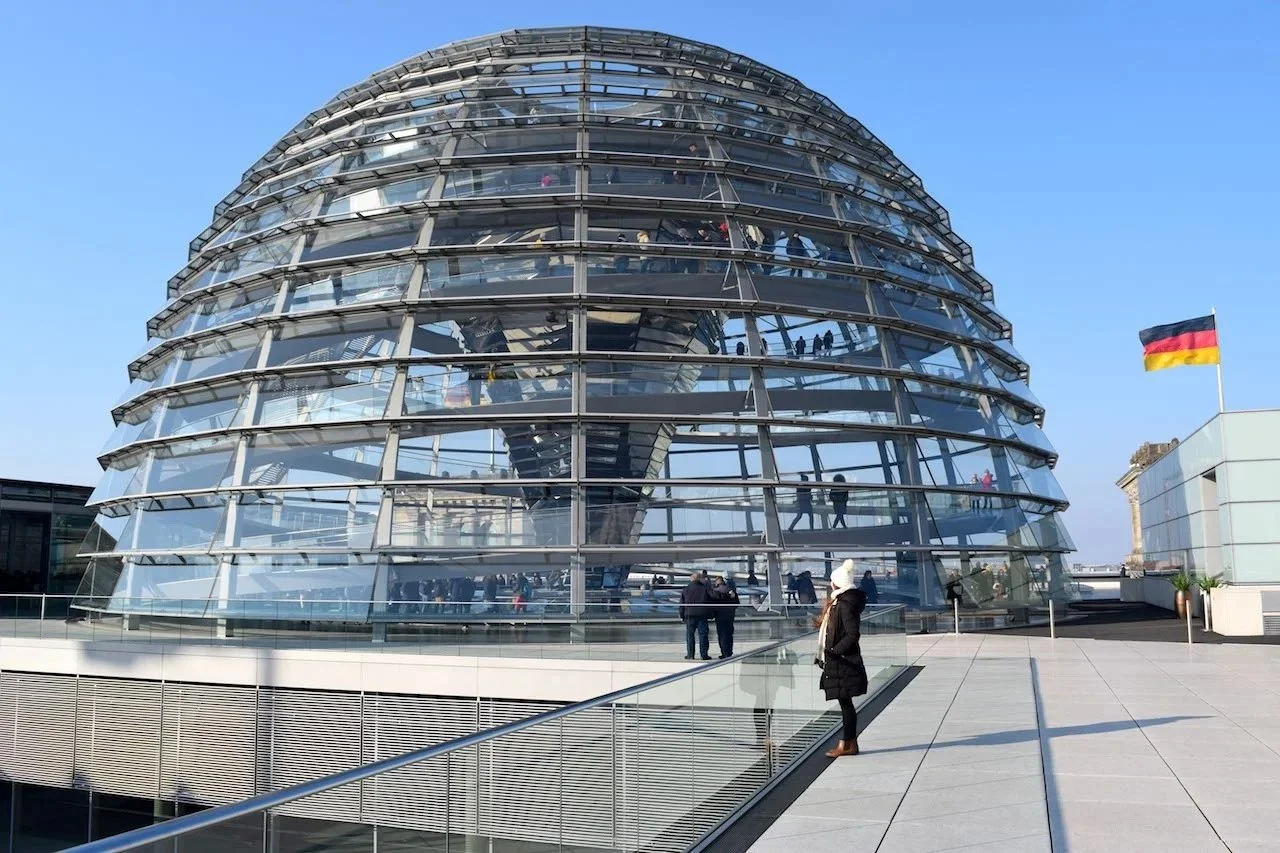
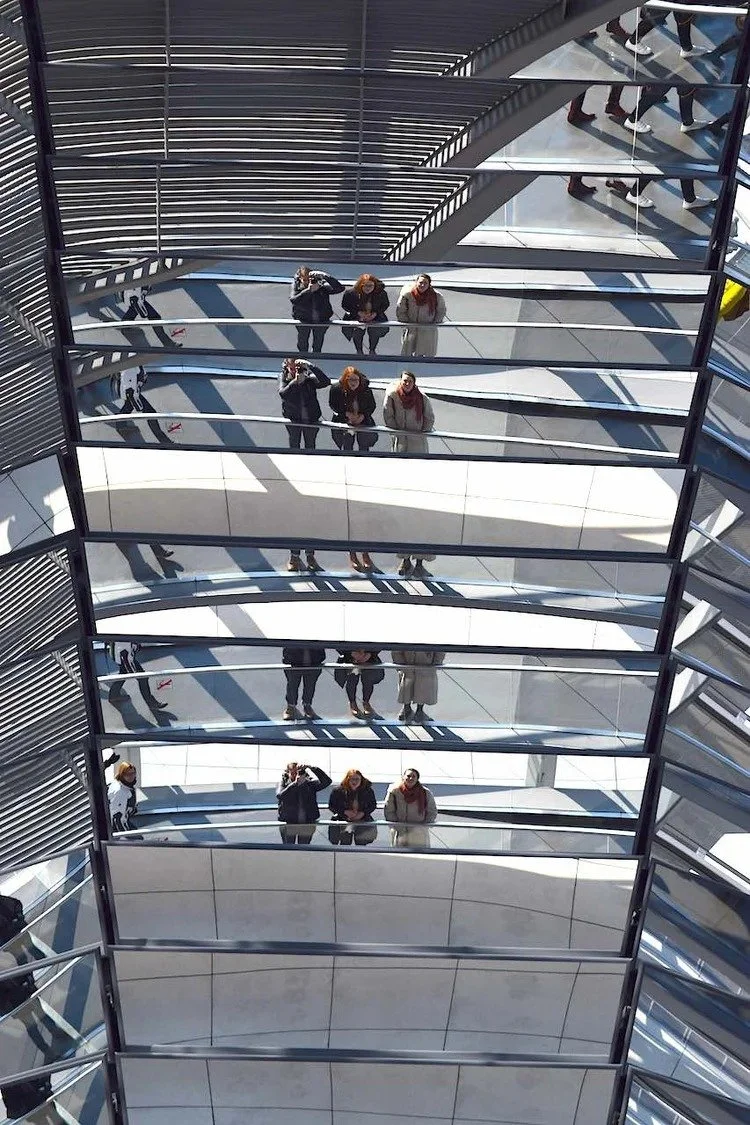
The Reichstag's main attraction is its spectacular glass dome roof, which gives you a 360-degree view of Berlin: a city that's had as many different lives as the building itself. It's a breathtakingly beautiful space that lets you see the city below from every angle, with an informative audio guide that highlights points of interest along the way.
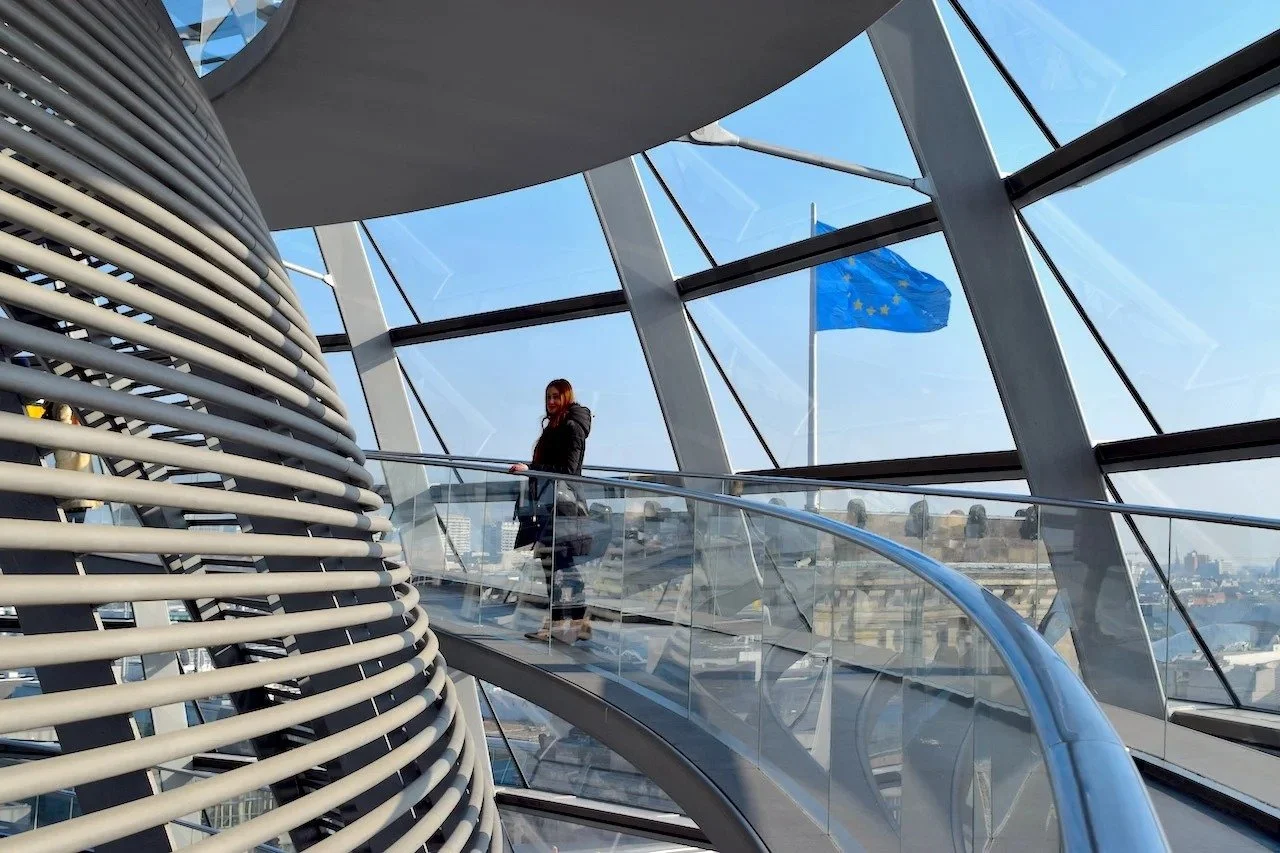
It's a magnificent building, and after having been to nearly every tourist spot in Berlin over the years, I can definitively say the Reichstag (or Bundestag, as it's sometimes known) should be at the top of your list when visiting Berlin.
Things you should know about visiting the Reichstag
How much does it cost?
The best things in life are free, so of course a visit to the Reichstag will cost you nothing.
You need to book — and book early
There's a reason it took me so many visits to Berlin to see this spectacular piece of architecture — you need to pre-book, and at busy times of the year you'll need to do it months in advance, not weeks. Here's a rough guide:
Peak season (May–September): 2–3 months ahead. Morning slots in particular go within days of being released.
Shoulder season (March–April, October): 4–6 weeks ahead.
Low season (November–February): 2–3 weeks ahead is usually fine.
So if you've booked a trip to Berlin, book your dome visit now via this link: register to visit the Reichstag.
When registering, you'll need to include the full name and date of birth of everyone you're visiting with.
The dome is open daily from 8am to midnight, with last entry at 10pm. It's closed all day on 24 December and from 4pm on 31 December, and there are also short closures during the year for parliamentary sessions — the official Bundestag website lists current closure dates, so check before you book.
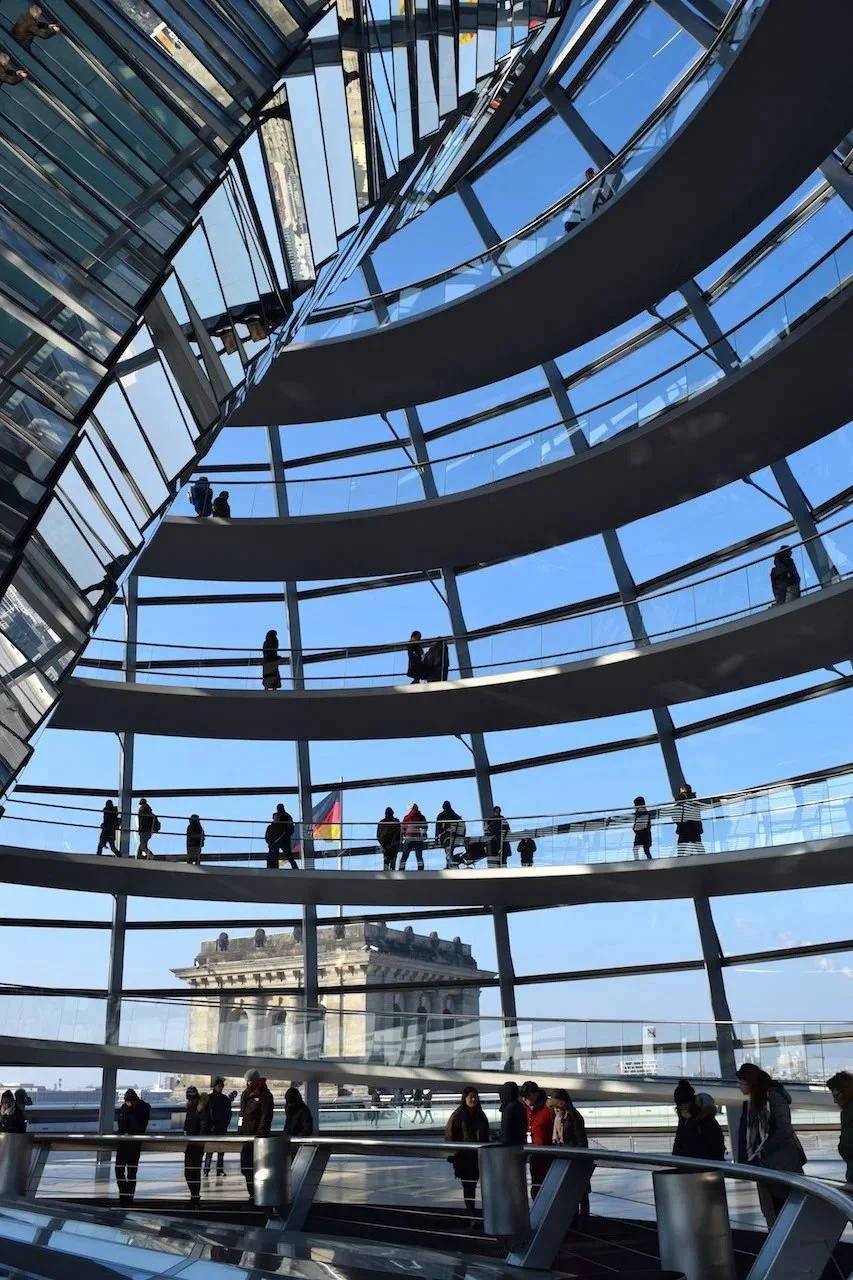
Didn't book in time? You have two options
If the online booking is full when you want to visit, you've still got a couple of ways in.
The first is to head to the Visitors' Service centre near the Reichstag (on Scheidemannstrasse, about 150m from the building). If there are spare slots within the next two days, they'll register you on the spot — bring your passport. It's a gamble in peak season, but it works often enough to be worth trying.
The second option is to book a guided tour of the government district that includes the Reichstag dome. These tours have their own allocation of slots, so they're a reliable way in when the free booking is sold out, and you get the history of the surrounding government quarter thrown in.
Bring your photo ID on the day
You'll need to bring photo ID on the day — I'd recommend a passport to be safe, since the rules around what counts as valid ID have tightened. On a previous visit our UK and Australian driving licences were fine, but a passport is the safest bet and avoids any risk of being turned away after queuing.
You can't take drink bottles up to the dome, but the friendly staff are happy to look after them so you can pick them back up after you get back down.
Where to stay nearby
If you want to be walking distance from the Reichstag, look at hotels in Mitte — it puts you within a short walk of Brandenburg Gate, Museum Island and the government district, so you can fit a lot into a long weekend.
Some facts about the Reichstag
The Reichstag has an incredible and sad history
Behind its transparent dome top lies a long and often dark history. Since it first opened in 1894, it's been burned, bombed, fallen into disarray and disuse, bordered by the Berlin Wall, rebuilt, and finally restored as the country's parliament building in 1999.
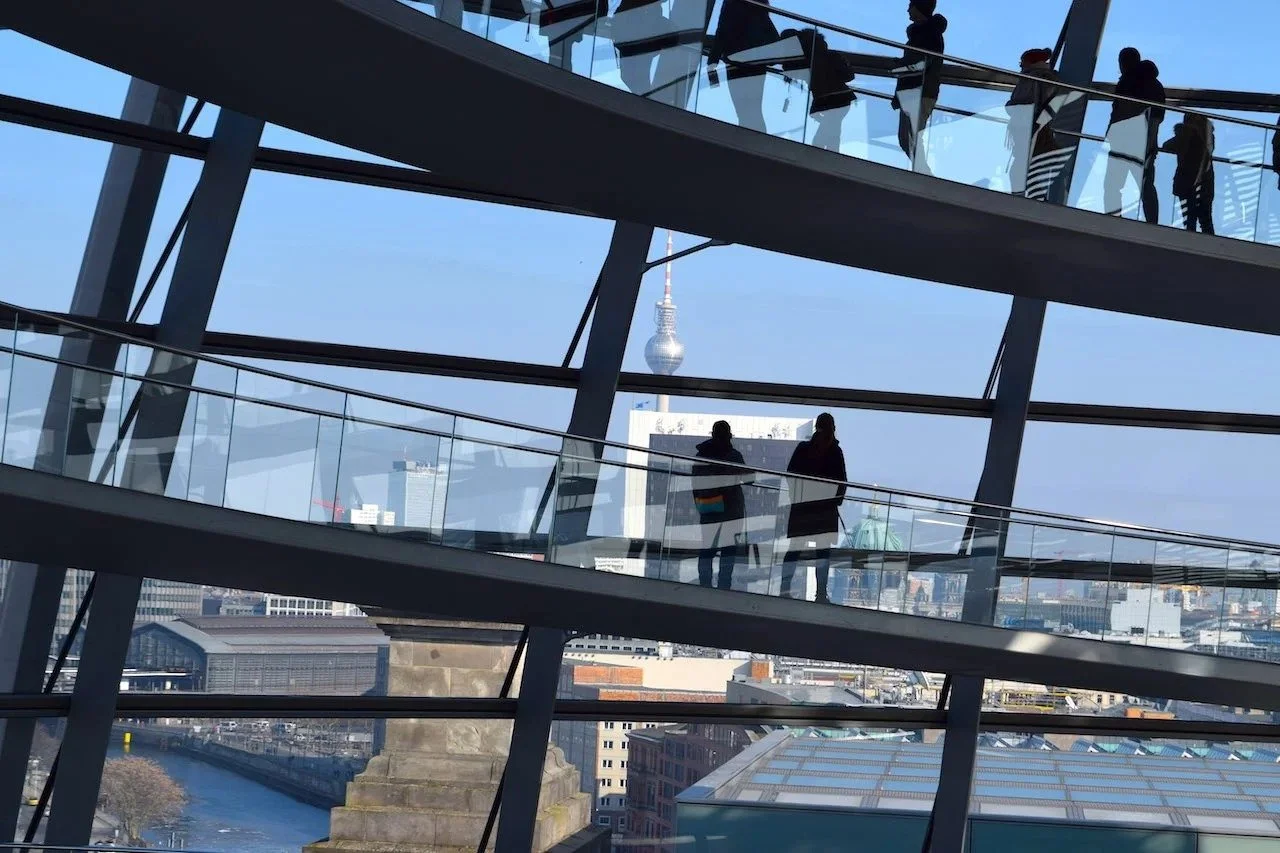
It represents transparent a democracy
What I loved most about the Reichstag dome is that every aspect of its design is considered and deliberate. While walking up to the top, not only can you see all of Berlin's important landmarks, you can also look down into the main hall of parliament below you. This symbolises that the people are always above government and that democracy must be transparent — something that clearly wasn't the case during the Nazi party's rule.
The Nazis didn’t use the Reichstag as their parliament house
A fire at the Reichstag in February 1933 is seen as a pivotal moment in the establishment of Nazi Germany. One month after Hitler had been sworn in as Chancellor, a suspicious fire broke out in the Reichstag. The Nazis quickly blamed it on their political opponents — the Communist Party of Germany — and passed the Reichstag Fire Decree, which suspended civil liberties and was used to round up communists and other opponents and send them to prison.
As the fire had rendered the Reichstag building unusable, on the rare occasions parliament did convene during Nazi rule, it did so in the nearby Opera House.
This included a meeting less than a month after the fire, where parliament passed the Enabling Act — voting to allow Hitler to make his own laws, and leading to 12 years of unimaginable horror.
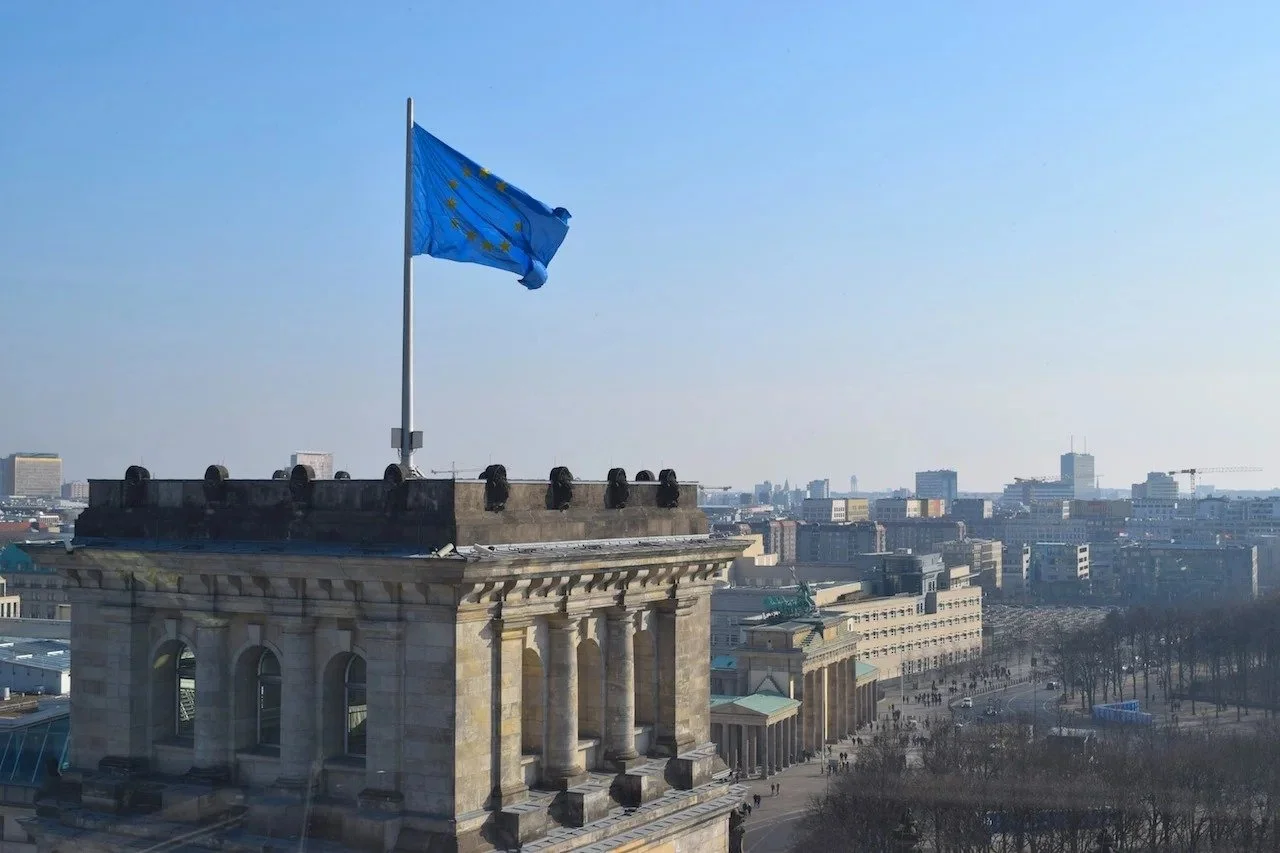
A symbol of renewable energy
On a brighter note, the dome symbolises Germany's commitment to renewable energy. A large sun shield tracks the movement of the sun electronically and blocks or allows direct sunlight, keeping the space warm in winter and reducing the need for air conditioning in summer. Its mirrored core directs sunlight into the building, reducing the need for lighting, and at night reflects the parliament chamber's lights to illuminate the dome externally. The dome also helps ventilate the entire building by drawing hot air upwards and recycling energy from the waste air.
The dome was designed by a friend of Steve Jobs
Architect Norman Foster designed the dome. Foster also designed London's famous 'gherkin' building and worked with Steve Jobs to design Apple's Cupertino headquarters, Apple Park. Both structures feature immense and intricate glasswork — just like you'll see at the Reichstag.