Ranked by someone who's been to all of them
Last updated: October 2026
In my opinion, the best Christmas markets in Europe are the ones in cities worth spending a weekend in. Because, no matter how much you love Christmas markets, once you’ve had your fill of mulled wine and the cold sets in, you’ll want other things to do.
So I've made the list I always wanted: actual opinions, not the usual twenty cities in a slightly different order. Every market here is one I'd recommend, but the better the market-and-city combo, the higher it ranks, which is why some famous names sit lower than you'd expect. Here are my top twelve:
Salzburg: the G.O.A.T
Strasbourg and Colmar: for first-timers
Prague: fairytale setting
Berlin: for choice
Dresden: oldest market, local feel
Cologne: stunning cathedral backdrop
Vienna: most romantic
Budapest: cheapest city break
Copenhagen: design-led Christmas
Nuremberg: best with children
Basel and Bern: two cities in one
Munich: pair it with Salzburg
This post contains affiliate links. If you book through one of my links I earn a small commission — at no extra cost to you. I only recommend experiences I genuinely believe are worth your time and money.
1. Salzburg: the greatest of all time and my favourite
2026 dates: 19 November to 1 January 2027. Open Christmas Day, Boxing Day and New Year's Day.
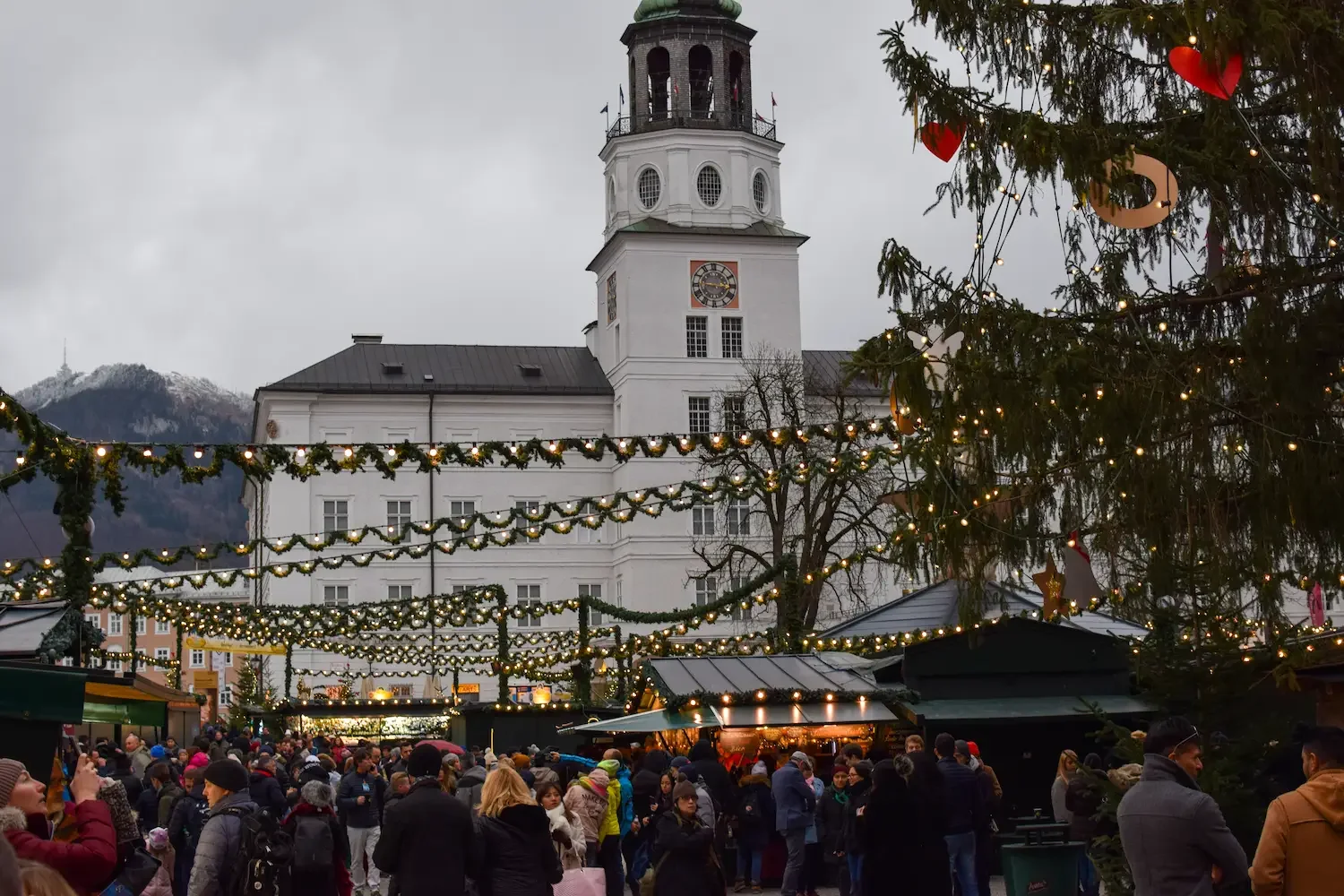
Salzburg is my favourite Christmas market in Europe. It's one of the prettiest cities on the continent, and its setting in the Alps makes it feel a world away from normal life. The old town is small and walkable, so the whole place turns into one big Christmas village.
I've spent four (yes, four!) Christmases in Salzburg (if you want my tips on where to stay you can find them here). To me there is nothing better than getting a hot chocolate with rum and wandering around the Salzburg markets.
Salzburg's biggest Christmas market is located in the two main squares of its old town, with the gorgeous backdrop of the Salzburg Cathedral and the Hohensalzburg Fortress overhead. Combine that with beautifully decorated traditional stalls selling food and cute trinkets, fairy lights overhead and church bells ringing at dusk, and you'll feel like you're in a Christmas movie.
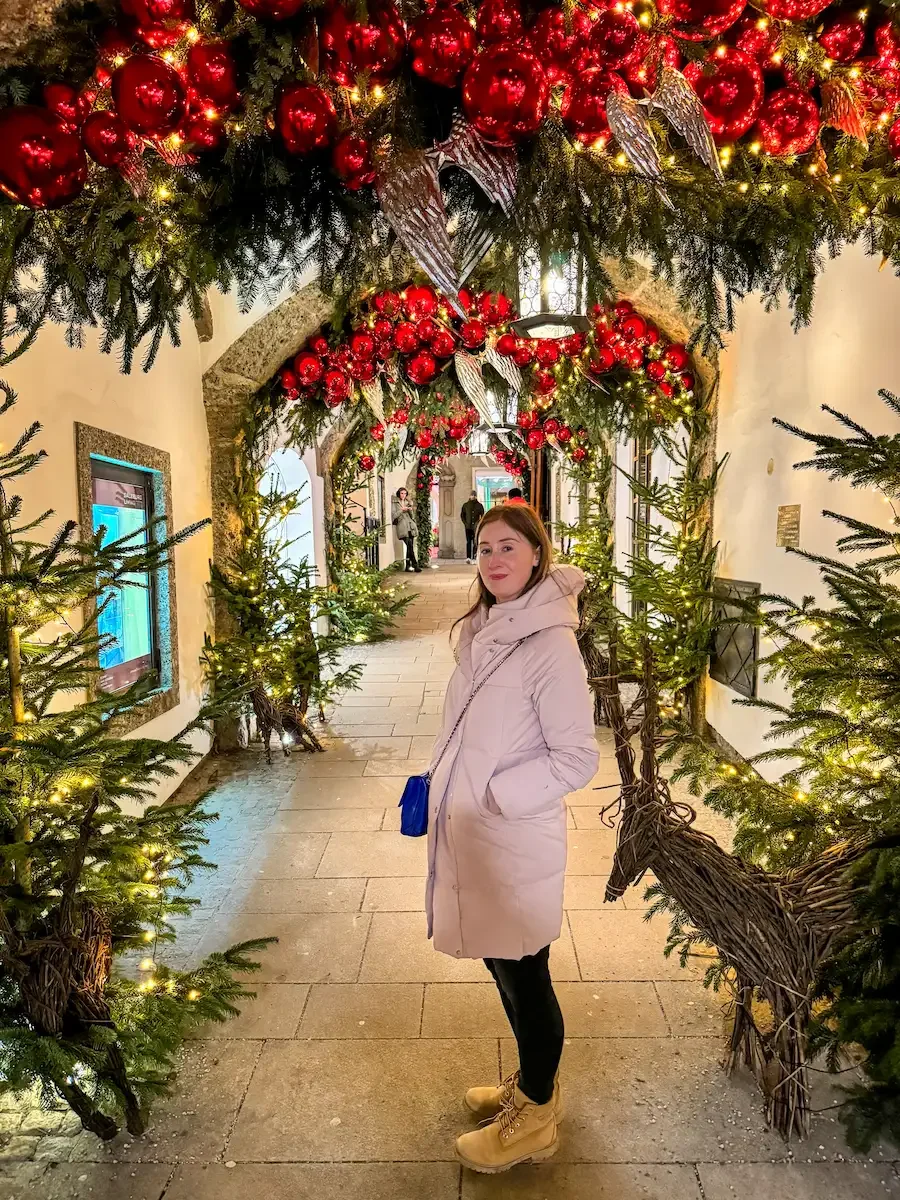
In addition to the main market, there are other little cosy markets dotted around laneways throughout the old town, so you'll come across pockets of Christmas everywhere you turn.
The markets have a great range of food (to me, there is nothing better than a Käsekrainer, which is a sausage with melted cheese inside) and drinks, and don't feel as commercialised as some Christmas markets do.
A big part of why I love going to Salzburg is that the markets are actually open on Christmas Day, so it’s perfect if you're travelling over Christmas itself.
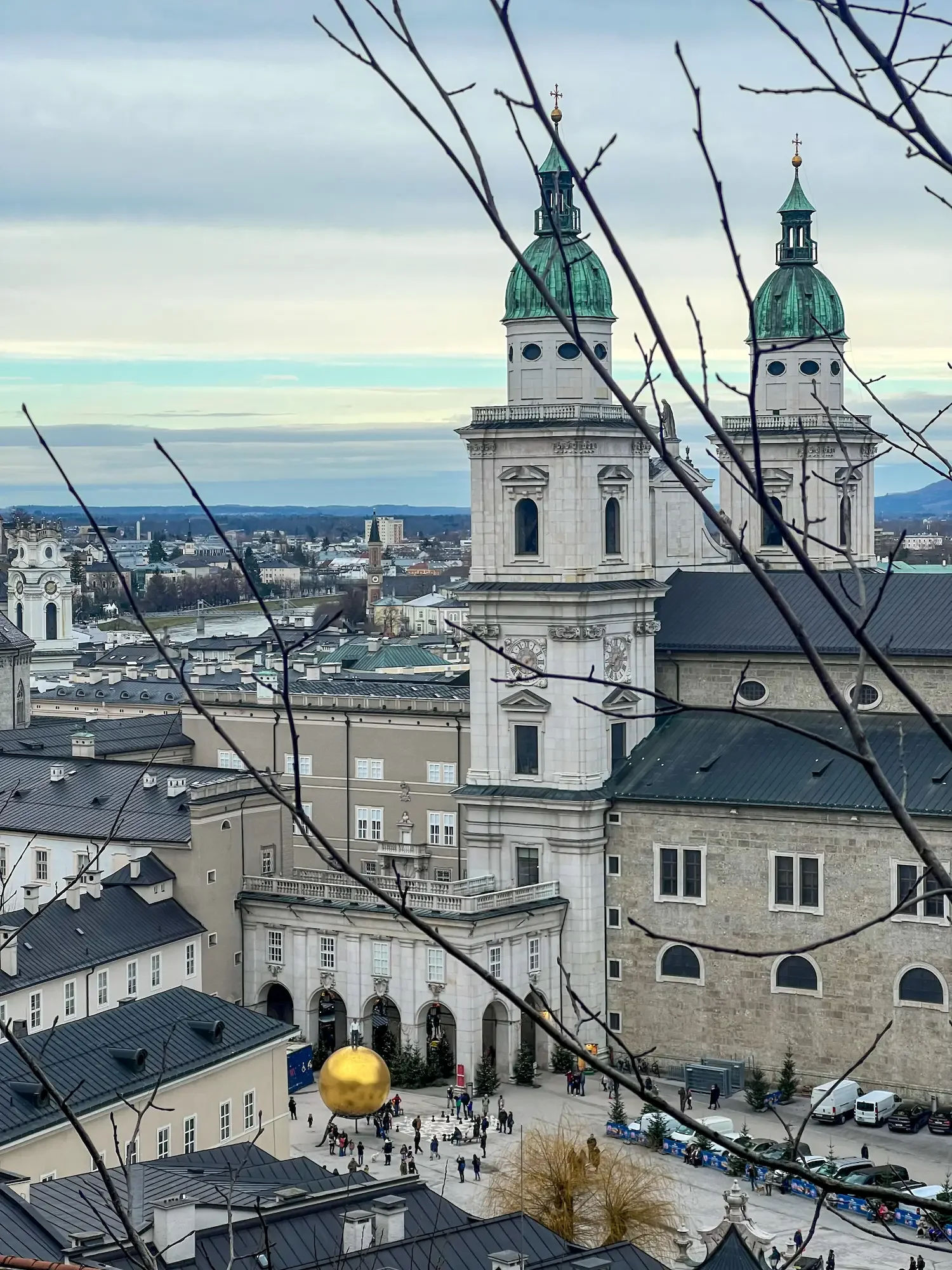
Part of Salzburg’s charm is that its old town is small and walkable, meaning you can see the markets easily all in a single day. But Salzburg is far more than its Christmas markets, so you'll have plenty to of things to do once you've had your fill of mulled wine. It's the home of Mozart, so you can visit the building where he was actually born and another where he lived. It’s where the Sound of Music was filmed, so if you’re a fan, I’d recommend booking a tour to see the locations from the movie, including the stunning Mirabell Palace and gardens.
If you have a sweet tooth, one of my favourite experiences is dining at St. Peter Stiftskulinarium (which is the oldest restaurant in Europe) and having the city’s famous dessert Salzburger Nockerl, which is a giant, fluffy, sweet soufflé baked into three distinct peaks. It’s delicious. I also love heading to the many viewpoints dotted around the city, to enjoy its gorgeous Alpine setting from above (but fair warning — you will have to climb some stairs).
Plus Salzburg has my favourite brewery, Augustiner, which is well worth a visit even if you're not the biggest beer drinker, which I'm not. Founded in 1621 by Augustinian monks, it's made up of multiple traditional wood-panelled halls where you can sit and enjoy your beer with some food from its Schmankerlgang, a traditional market-style corridor lined with local independent food stalls.
All of these things combined, mean Salzburg is the city I return to again and again at Christmas and is always my first recommendation when people ask me where they should go for their festive market fix.
Where to stay: my full guide to the best areas and hotels in Salzburg for the Christmas markets, including my tried-and-tested favourites.
2. Strasbourg and Colmar: best for first-timers
2026 dates: Colmar 25 November to 29 December. Strasbourg 27 November to 27 December (main chalets close on Christmas Eve, some markets run to the 27).
Strasbourg, which is the capital of the Alsace region, is one of the most charming cities in France. It has a special place in my heart as it was the first city I ever visited in France on a German school exchange. As a teenager visiting from Australia, I felt like I’d stumbled onto the set of the Beauty and the Beast movie.
I've seen a lot more of France now, but I still think that Alsace has to be one of the most beautiful areas in the country, which is a very good reason Strasbourg and Colmar are so high on this list. But that's not the only reason. If European Christmas markets have a spiritual home, it has to be Alsace. Strasbourg has one of Europe's oldest Christmas markets (it's been running one since 1570) and therefore justifiably calls itself the Capitale de Noël (Capital of Christmas).
And Colmar, which, if it's possible, is even prettier than Strasbourg, is a short train ride away, so you can easily do both in one weekend.
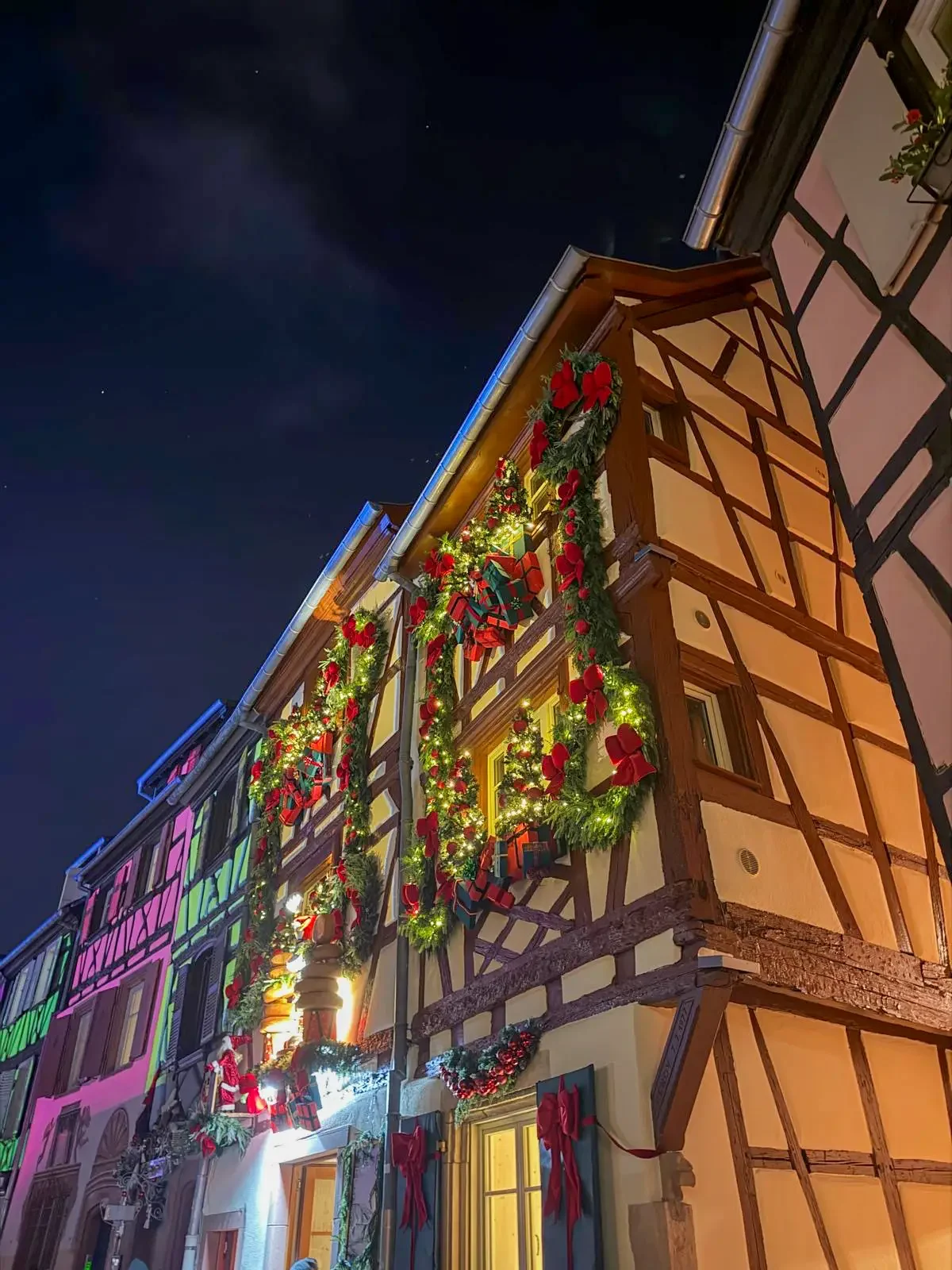
Both Strasbourg and Colmar go all out in terms of Christmas decorations (in Strasbourg they even go to the adorable extreme of covering building facades with teddy bears), but their markets are a little different.
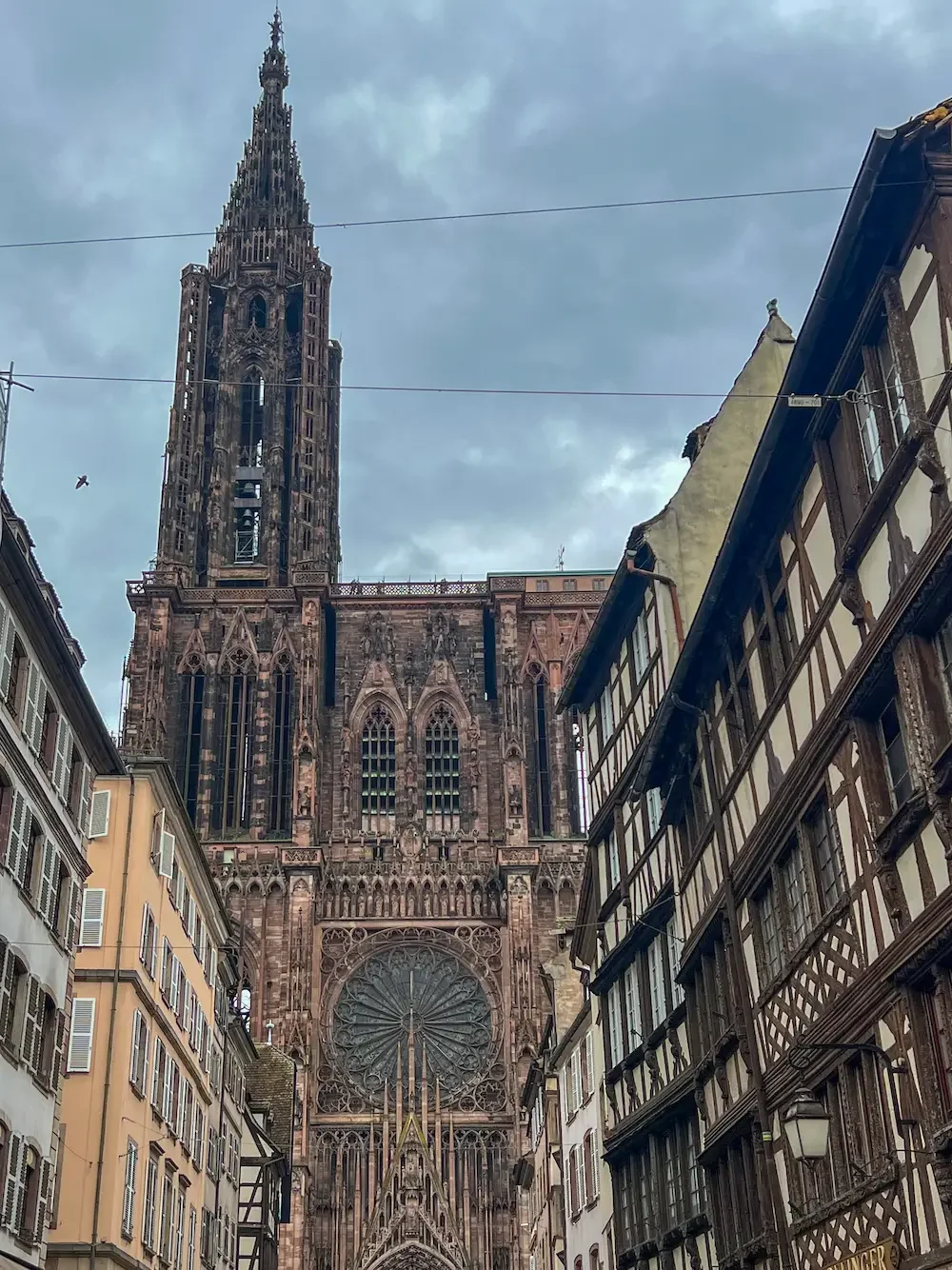
Rather than having just one main Christmas market, Strasbourg’s has several ‘villages’ spread across the Grande Île, which is the island at the city's heart that's a UNESCO World Heritage Site. It means you can wander between different village markets with distinct themes so you won’t get bored. My favourites were the dedicated food market on Place des Meuniers, selling things like local honey and gingerbread, and the alternative market on Place Grimmeissen, called Le Marché OFF, which focuses on vintage and fair-trade gifts. Each year Strasbourg also has a giant (and I mean giant!) Christmas tree (it’s one of Europe’s largest) at Place Kléber, which is a must see.
Just like the town, Colmar’s Christmas markets are smaller than Strasbourg’s. I personally prefer Colmar over Strasbourg; it’s cuter, it feels less commercial, it’s more walkable and even more magical than Strasbourg (despite what I thought as a teenager, Colmar is often cited as the inspiration for Beauty and the Beast). Colmar also has multiple markets and they’re close together so you can easily see all of them in an afternoon.
If you’re a wine fan (and, who isn’t?!), Colmar also has plenty of lovely little wine bars, like Le Cercle des Arômes which we loved, where you can taste a huge selection of delicious off-dry Alsatian wines — which seem to combine the best of French and German wine in one glass. And make sure you try a Flammekueche in either Strasbourg or Colmar. It's a bit like a thin, crispy pizza topped with crème fraîche, onions and bacon, and it's delicious (see how happy I look in the photo with mine in Colmar).
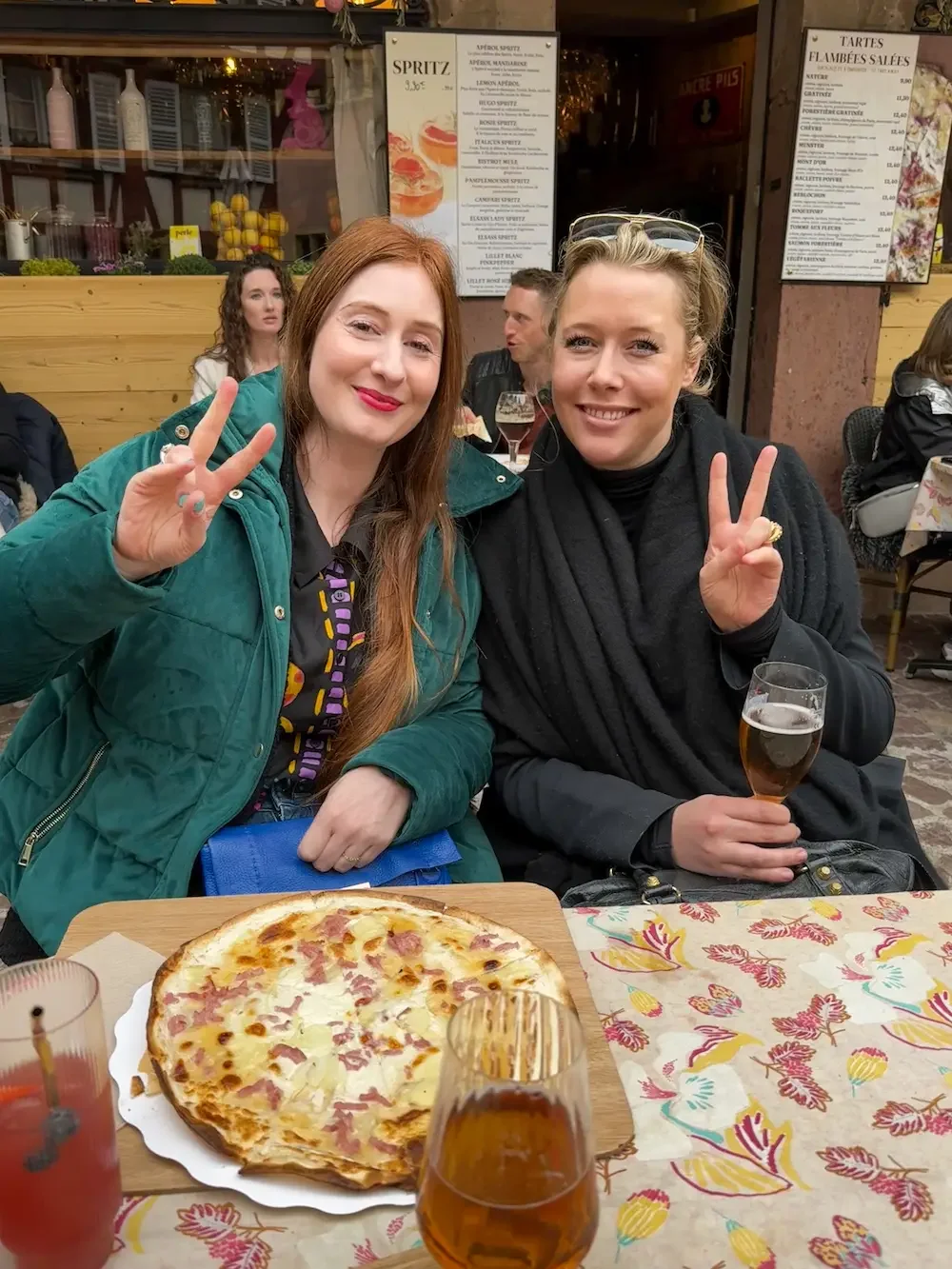
So, my final verdict? Overall, Strasbourg wins on Christmas markets, but Colmar wins in terms of overall vibe. If you’re visiting, you can stay in either. Strasbourg is the bigger city so has more hotels, but my pick would be Colmar. That’s where we stayed and in my opinion it’s the better town to stay in.
The two are about half an hour apart by direct train, with services running all day, which is why it’s so easy to visit both in one weekend. I’d also highly recommend visiting some of the other gorgeous towns in the area, if you have the time.
3. Prague: best for the fairytale setting
2026 dates: 28 November to 6 January 2027. Open Christmas Day and Boxing Day.
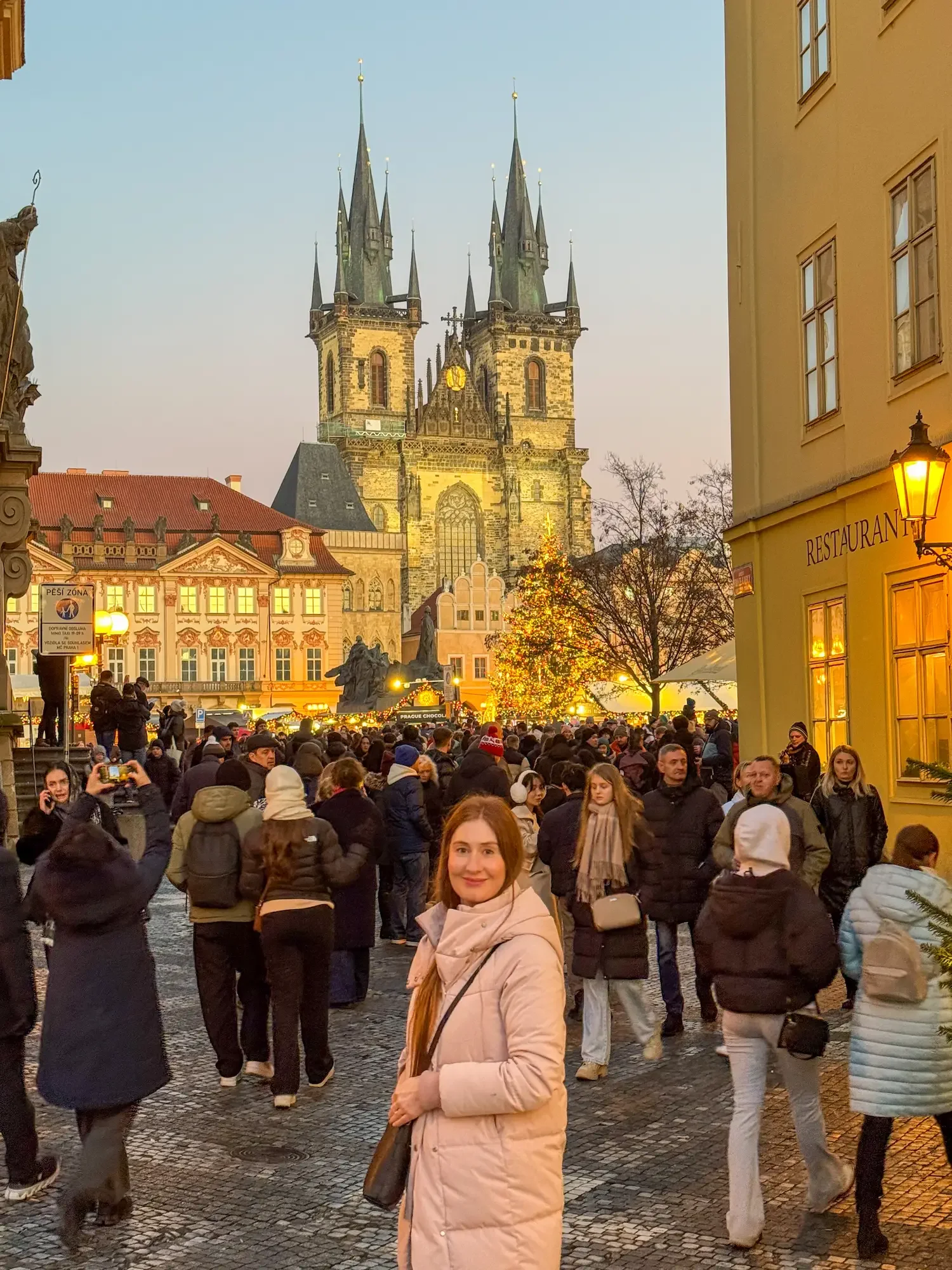
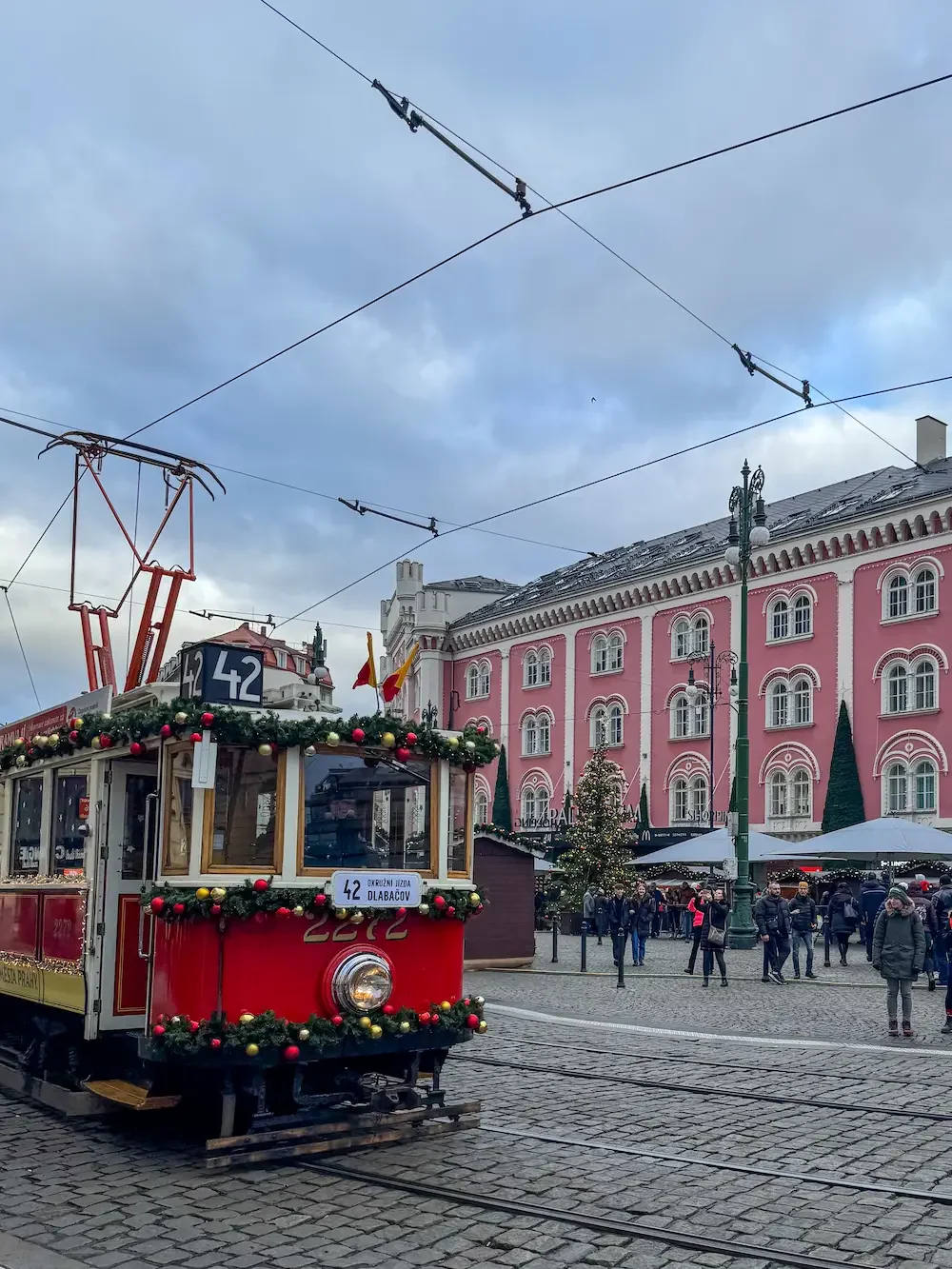
At risk of sounding cliché, being in Prague feels like you're in a fairytale — most would agree that it's one of the most beautiful cities in Europe. And it's the stunning backdrop that helps make Prague's Christmas markets so iconic. The main market is in the Old Town Square and it's beautifully decorated, with tinsel, lights, baubles and a giant Christmas tree. Even the trams have been decked out for Christmas.
The markets have a wide variety of food (roast pork, sausages, lángos, waffles, trdelník and much more) and drinks. One of my favourite things was the hot chocolate: it was like drinking melted chocolate, absolutely divine.
There are a few tradeoffs to visiting Prague at Christmas, though. The Old Town is busy at the best of times, so add in Christmas markets and it gets busier still. Prague's markets are open on Christmas Day, which is great if you're there at Christmas, as we were, but it felt like plenty of other tourists had the same idea.
I'd try to visit in early December to beat the crowds. Or stay across the river in Malá Strana, which is quieter and just as pretty (here's my full guide to where to stay).
The food at the markets is also on the expensive side, and they feel a little more commercialised than some other cities.
Despite that, Prague still ranks highly for me, because of that fairytale feel. And once you've had your fill of the markets there's plenty else to do. We did a tour of Prague Castle on Christmas Day itself, which turned out to be the perfect antidote to the crowds in the Old Town, and it's worth knowing it stays open when much of the city doesn't.
There's also a river cruise, the Astronomical Clock and Charles Bridge (go early, before the crowds), the Jewish Quarter, and Petřín Hill if you want the view.
Or take a day trip to Pilsen, the home of Pilsner, and drink it where it was invented.
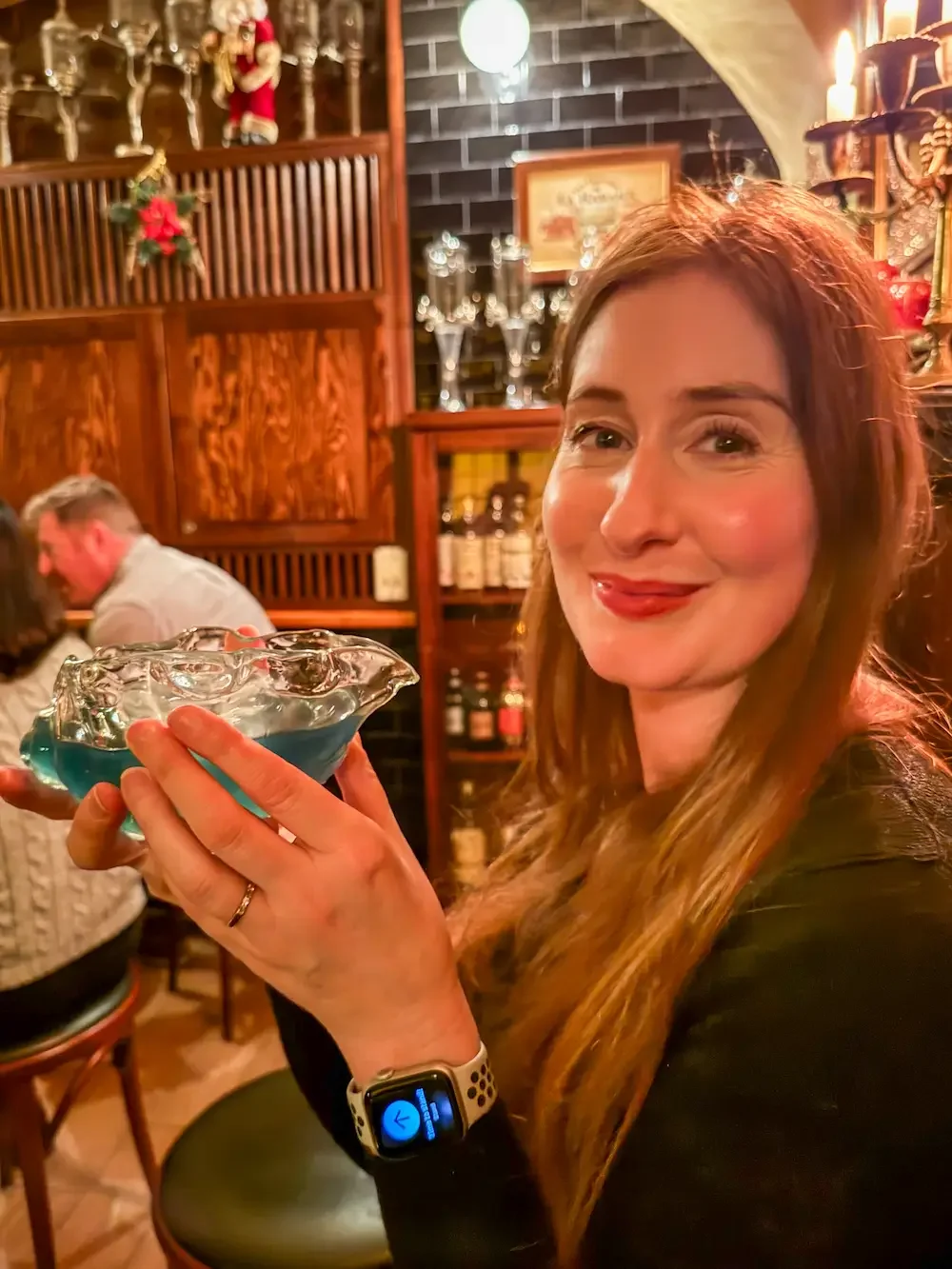
When you want to get out of the cold, our favourite spot is Restaurace Mincovna, just off the Old Town Square, so you're a minute from the market when you're done. And if you want a proper night out rather than another mulled wine, Hemingway Bar (pictured below) is our favourite cocktail bar in the city. Book well ahead, though: it's small and it's no secret.
Where to stay: my full guide to the best areas and hotels in Prague for the Christmas markets, including the three I've stayed in myself.
4. Berlin: best for choice
2026 dates: 23 November to 4 January 2027, depending which market.
One of my best friends lives in Berlin, so I've visited many times over the years, and have an expert local guide every time I'm there. While Berlin might not be an obvious choice for Christmas markets, compared to the famous German ones like Nuremberg, Cologne and Munich (which are all lower down on this list), I think it should be. You're never bored in Berlin, and Christmas time in the city is no different: you'll have over 100 Christmas markets, including 10 big ones, to choose from.
Berlin is also the perfect city for a weekend away in winter. Yes, it's chilly, but there is plenty to do indoors when you're not at the Christmas markets: museums, galleries, breweries and some of the world's best clubs (if you're that way inclined) as just a starting point. So for me, Berlin epitomises a great city with great Christmas markets — which is why it’s so high on this list.
Its biggest Christmas markets are the Spandau Christmas Market (which closes on 23 December) and Alexanderplatz (open to 26 December). They're both somewhat typical German Christmas markets and well worth visiting, but here are a few of my favourites, each because they have something that makes them stand out from the crowd. The last two are both close to the East Side Gallery, so you can easily pair either with a walk along the longest surviving stretch of the Berlin Wall.
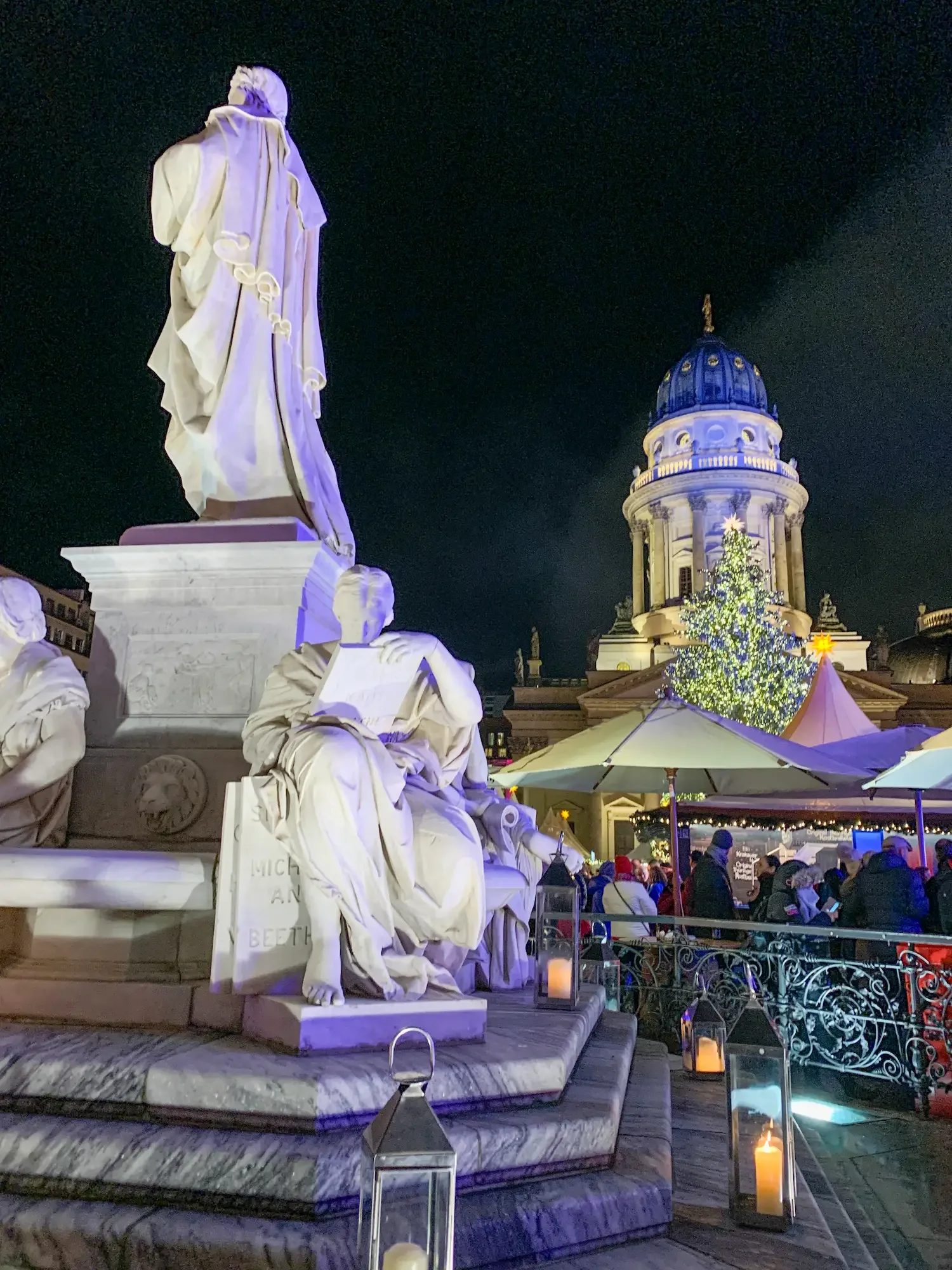
My absolute favourite: WeihnachtsZauber at Gendarmenmarkt. For many reasons, Berlin isn't the prettiest city in the world. But pockets of it are beautiful, and Gendarmenmarkt is one of those spots. Each December it's home to the WeihnachtsZauber, set between the two cathedrals and the Konzerthaus, making it one of the loveliest settings for a festive market in the German capital. I love this market because it's a little more upscale than most: it has heated tents (and believe me, Berlin is freezing in winter), champagne, and gourmet food that's a step above your normal market fare, like my favourite Käsespätzle topped with shavings of truffle. It also has a main stage with everything from jazz bands to choirs singing carols, both English and German, ballet, acrobatics and much more. Entry is €2, but free on weekday afternoons before 2pm. The market is open from midday to 10pm on Christmas Day.
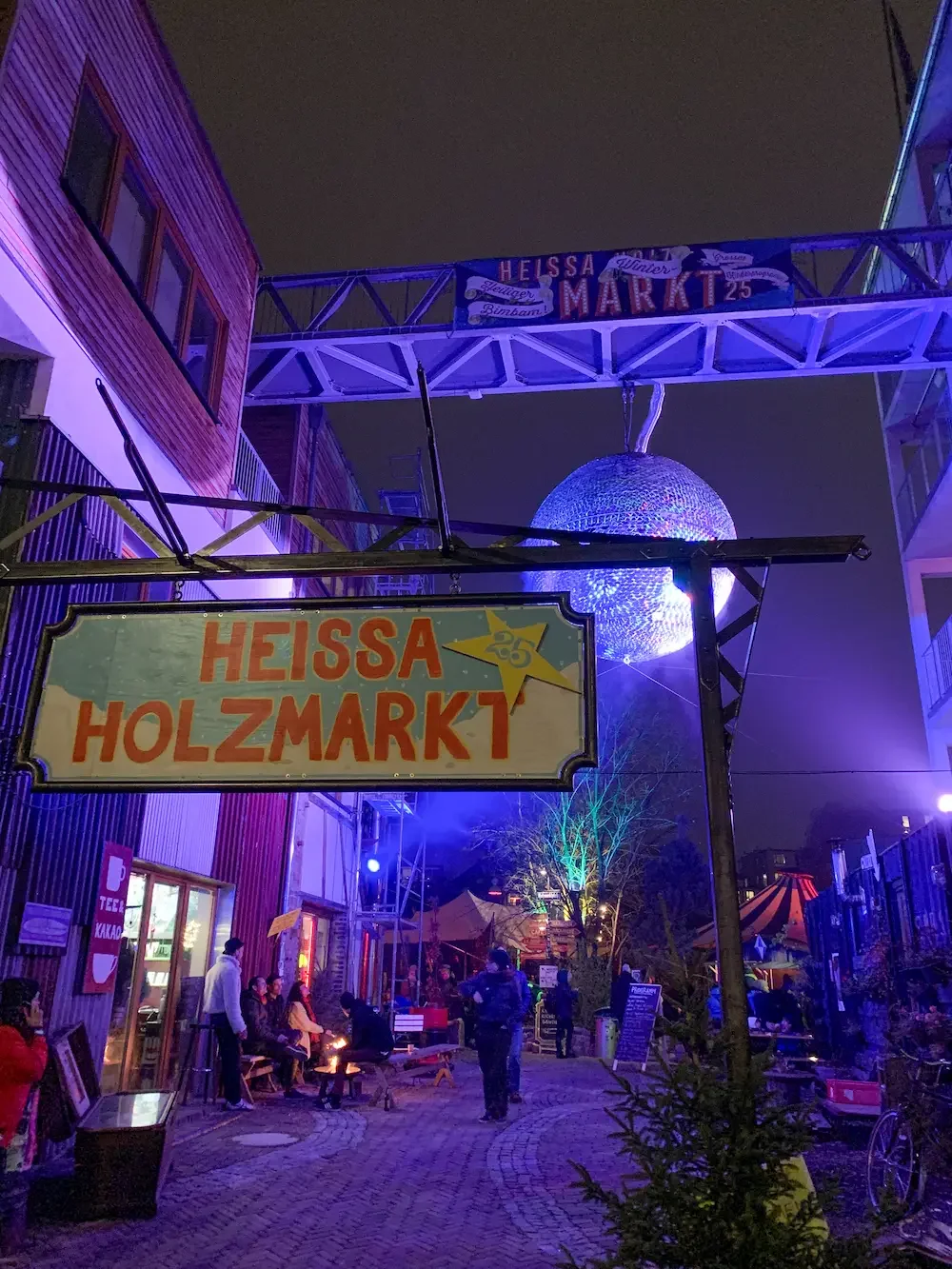
For a riverside setting and fewer tourists: Heissa Holzmarkt, Friedrichshain. In my opinion, this market perfectly captures the creative, non-conformist vibe of East Berlin, and it's one I wouldn't have known about if my bestie hadn't taken me there. It's set in a creative village on the banks of the River Spree, and it's a great one to visit if all the traditional Christmas markets have started blurring together. It has stalls with handmade gifts and international street food like lángos, ramen and burritos (with lots of veggie and vegan options), open-air fire barrels and a retro carousel from the 1960s. Two things to know: it’s open on weekends and often on Thursday and Friday too (but I’d double check before heading there on a weekday), and it closes before Christmas. I love its setting on the river and the fact it's not full of tourists.
For a medieval theme: Historischer Weihnachtsmarkt, RAW-Gelände. The Historischer Weihnachtsmarkt (which translates to the historic Christmas market) is another alternative if you're looking for something a little less traditional. It sits on a former railway repair yard in Friedrichshain, and it leans heavily into a medieval theme: the stalls are lit by firelight and lanterns rather than fairy lights, they have hand-cranked wooden rides, craftspeople working at open stalls, and even archery. It's smaller, rougher and more relaxed than the polished, bigger markets, and it feels a world away from Gendarmenmarkt despite being a few U-Bahn stops east. Like Heissa Holzmarkt, it closes before Christmas.
One last tip: Before heading to Berlin for Christmas, it’s worth deciding on which markets you want to see and when. Berlin is enormous, so unlike a compact city or one where the markets are in one contained walkable spot, you can lose real time travelling between them. Luckily Berlin has a great public transport system with both underground and overground trains, so with some proper planning you can still see several if you’d like to, but it’ll be contingent on proper planning.
5. Dresden: best for the oldest market, and a local feel
2026 dates: Striezelmarkt 25 November to 24 December, closes 2pm Christmas Eve, shut Christmas Day.
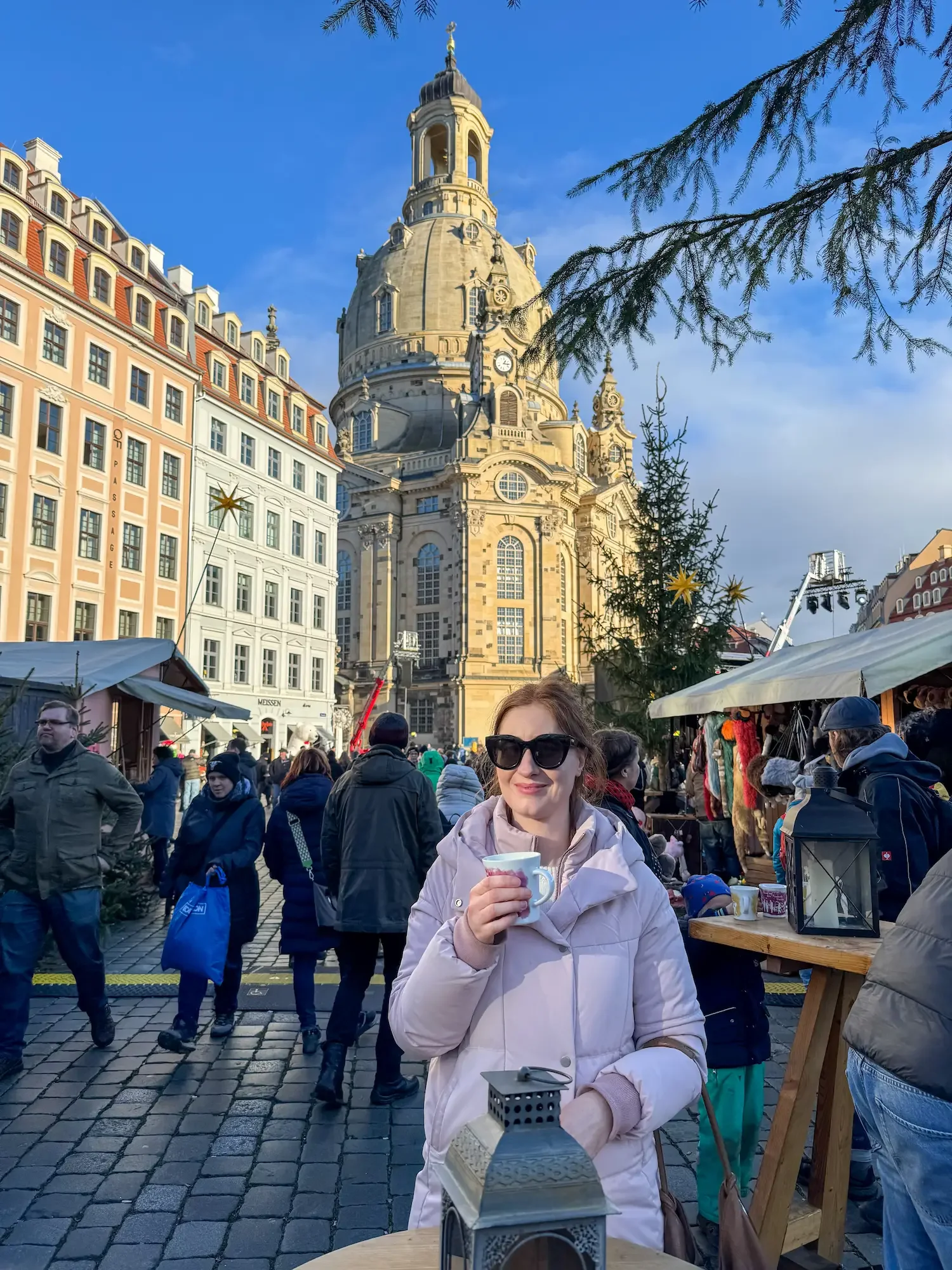
I've always wanted to visit Dresden, though its Christmas market wasn't initially on my radar. Luckily, it's just a short train ride from Prague, so during a Christmas trip there, we decided to spend a weekend exploring Saxony’s capital and its famous festive markets. And guess what, it makes for the perfect Christmas market weekend getaway, which is why it’s in the top five on my list.
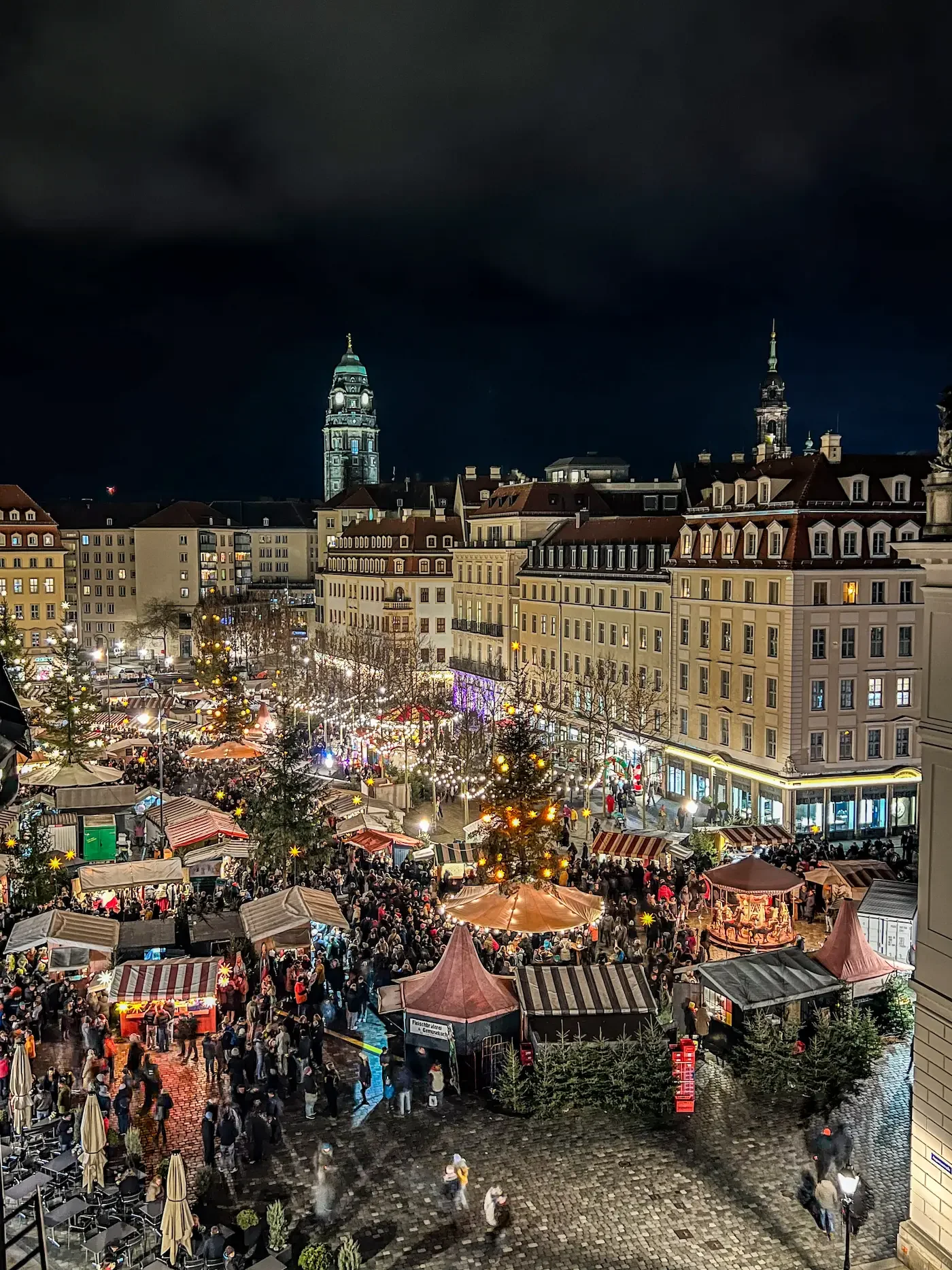
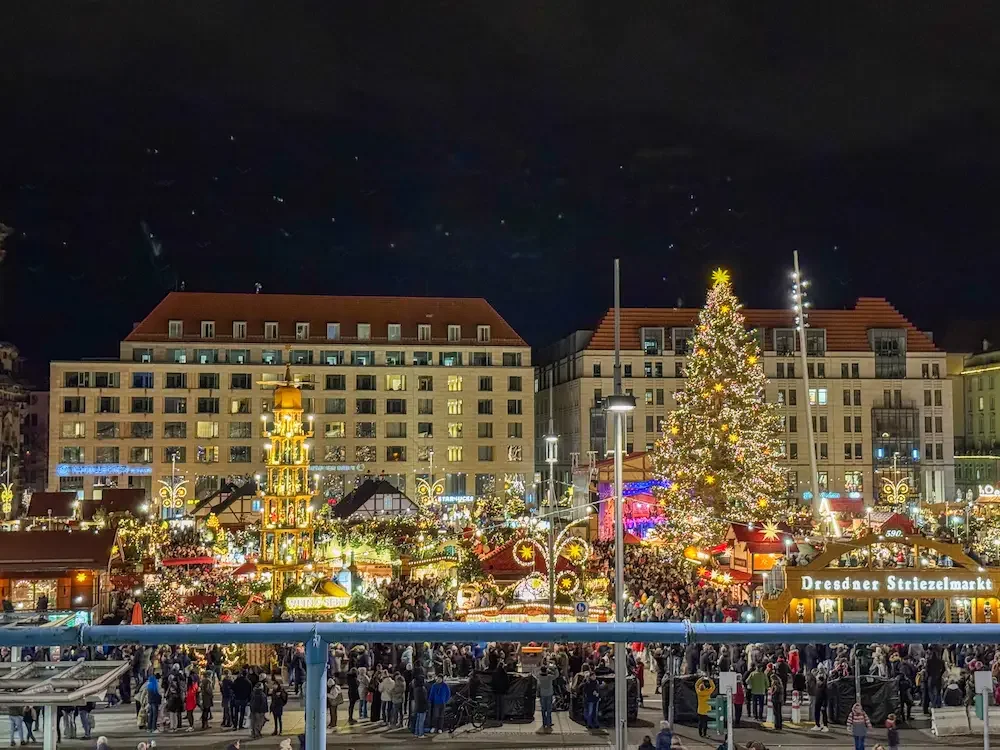
Turns out Dresden’s Striezelmarkt should’ve been on my radar, as it has a serious claim to fame: first held in 1434, it's one of the oldest Christmas markets in the world (for those playing at home that significantly trumps Strasbourg). Plus it’s also home to one of the tallest Christmas pyramids on the planet: a huge tiered wooden carousel that turns above the stalls (although let’s be honest, I’m not sure there is much competition). It's a big and beautifully decorated market, with gorgeous lights, a festive feeling and a beautiful city backdrop.
But the thing that really won me over wasn't any of that. It was that it's full of Germans, locals and domestic tourists alike, rather than international tourists. Don't get me wrong, it's still a busy market, but there's something really nice about the fact that it has so many German families and friends out together enjoying themselves. To me, it gives it an authentic, community feel that Prague, for all its fairytale looks, doesn't quite manage. It’s also a rare feeling at a market as famous as Dresden’s is.
The food and drink were delicious, too — and a bit unique compared to some other markets we’ve been to. We got completely hooked on Eierpunsch, a warm, alcoholic eggnog-style punch that's basically Christmas in a mug, and on a Striezelmarkt speciality called Dresdner Handbrot: delicious hot bread rolls baked with cheese and ham inside and a dollop of sour cream on top. Absolutely worth queuing for.
And then of course, there’s Dresden itself, which is worth the trip on its own. It’s a baroque city on the Elbe, largely rebuilt since the war, so the old town wrapped around the market is all domes, spires and honey-coloured stone. And if you want the history behind it all, a Semperoper and Altstadt tour is the easiest way to get it. This whole list comes down to one thing for me, that the best Christmas markets have a great city around them, and Dresden is one of the clearest cases of it.
One practical thing worth knowing: the main Striezelmarkt closes on Christmas Eve, but the markets at Neumarkt and Augustusmarkt keep going to 3 January. So if you're travelling in that odd week between Christmas and New Year, when a lot of Germany has packed up, Dresden still has something for you.
6. Cologne: best for a cathedral backdrop, and markets that run past Christmas
2026 dates: Cathedral market 16 November to 23 December (closed 22 November). Some markets run into January.
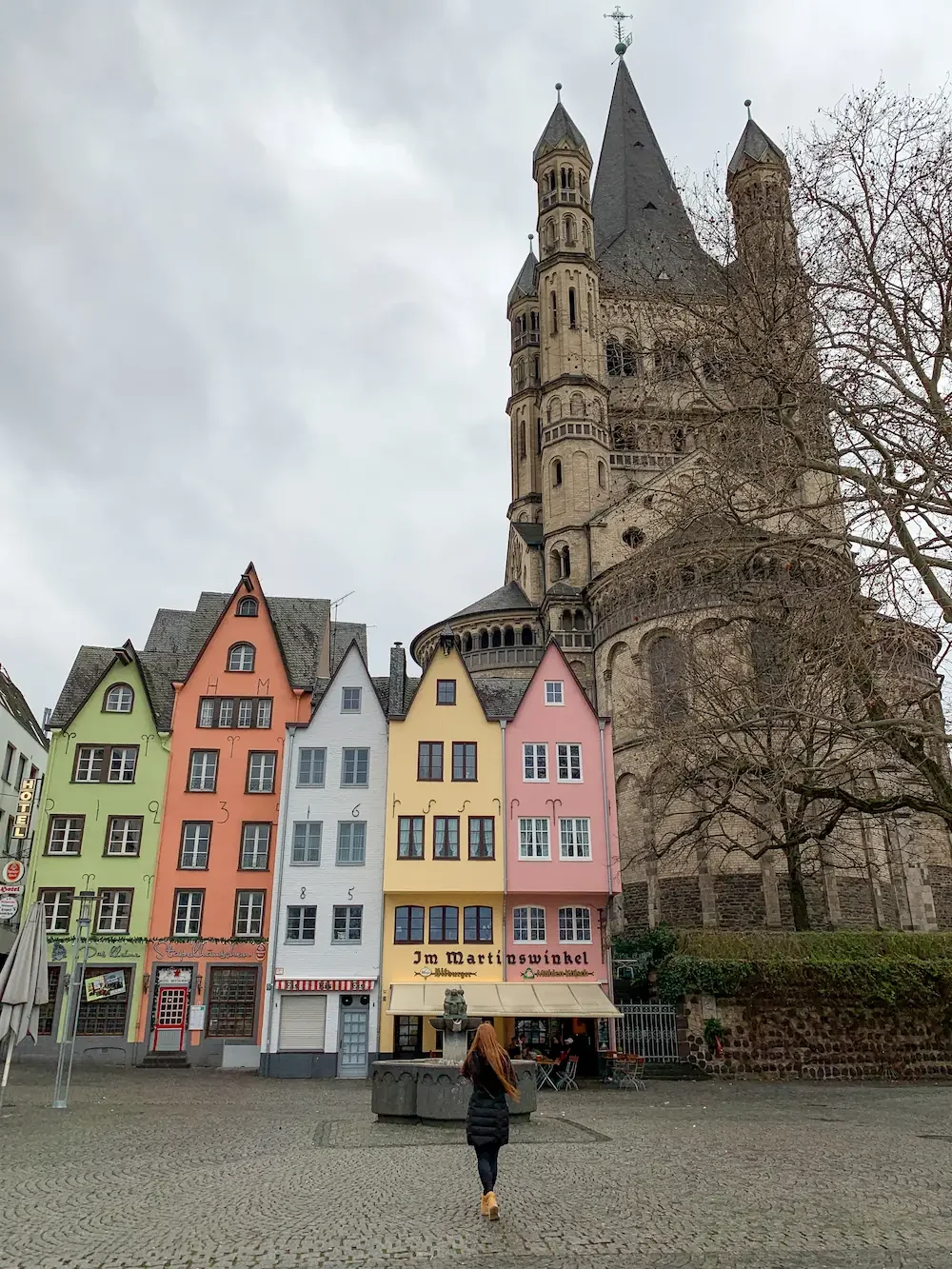
While Cologne hosts several Christmas markets, its largest is also its most famous, and for good reason. It sits right at the foot of the city's iconic cathedral, the largest Gothic church in Northern Europe and Germany's most-visited landmark.
In addition to such an iconic setting, the setup is pretty classic: over one hundred red-topped stalls arranged under a massive canopy of twinkling lights. You can easily spend a few hours browsing the handmade ornaments, listening to live music on the main stage, and sampling everything from roasted almonds to Flammlachs (salmon cooked on planks around an open fire).
Cologne also has a strong beer culture (more on this below), and one of our favourite things we tried at the markets was Glühbier (warm, mulled beer). It's not something I’ve come across often at Christmas markets, but it definitely hit the spot.
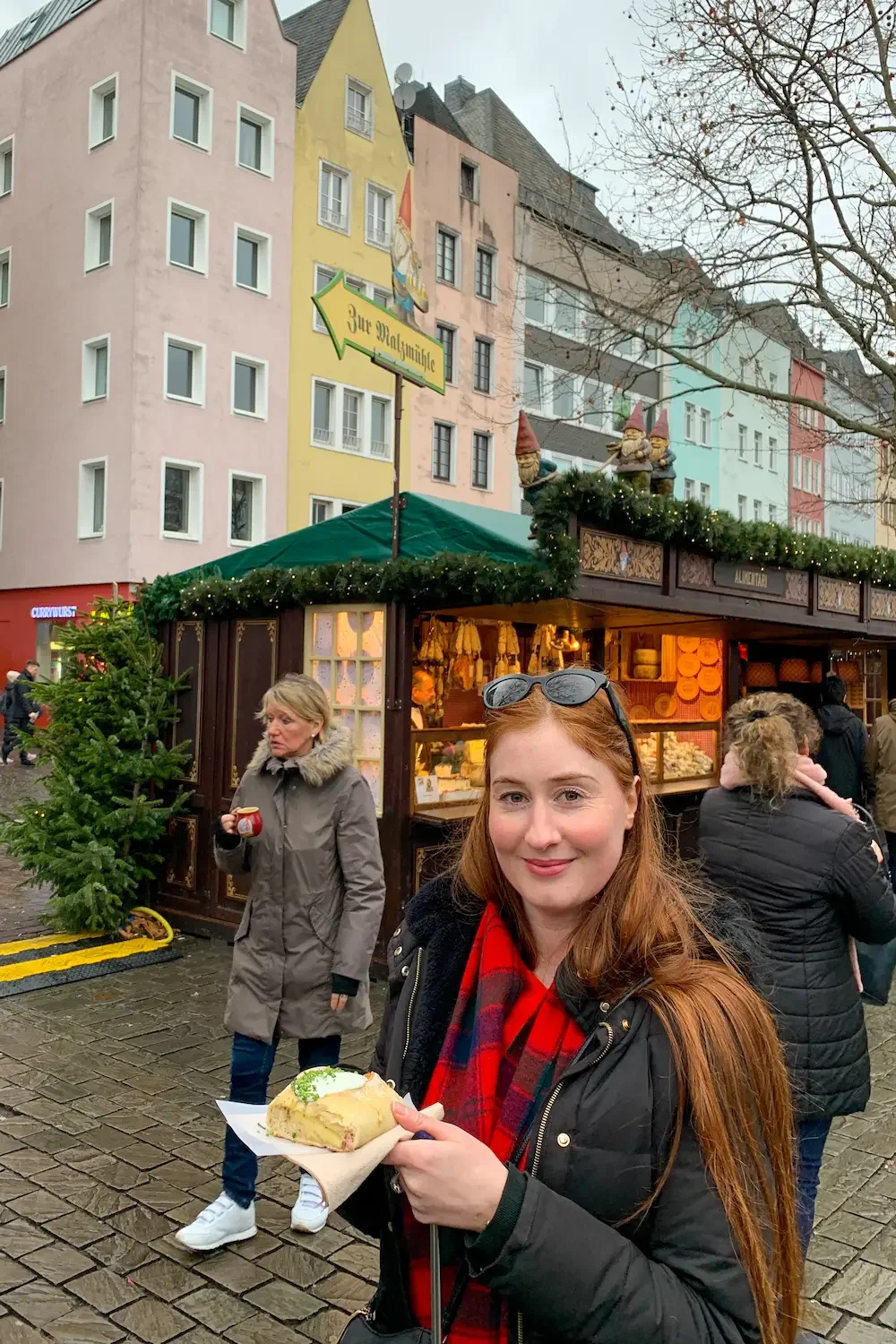
My second favourite market is Heinzels Wintermärchen in the nearby Old Town. It's a bit more nostalgic and playful, built around local gnome folklore (which I promise is in a delightful rather than a creepy way).
Beyond the markets, Cologne is the perfect city for a winter weekend break. There's plenty to do once you've had your fill of stalls.
The cathedral is an obvious must-see. The inside is impressive, but for me, the real highlight was seeing it from different angles around the city. I loved its contrast against the modern steel Hohenzollern Bridge just behind it, linking the Old Town to the other side of the Rhine. If you walk across the bridge, you get an incredible view of the cathedral rising up behind the ironwork.
Back on the main side, the Old Town gathers along the river, where the colourful waterfront houses look like something straight off a postcard.
But perhaps the best thing about Cologne is its Brauhäuser (traditional brewpubs). I'm not exaggerating when I say they're half the reason to visit. Here, Cologne's famous Kölsch beer arrives in small, thin glasses and keeps flowing until you place your coaster over the top to signal you've had enough. It’s a really fun and one-of-a-kind experience. If you want to learn more about Cologne’s beer culture, this is a great tour.
To go with your little beers, they also serve delicious German comfort food (yes, I do mean lots of sausage and potatoes), which is exactly what you want when it's cold outside. And it's that combination, a genuinely unique cultural experience alongside iconic markets and a city with plenty to fill a weekend, that puts Cologne so high on my list.
7. Vienna: most romantic and best for a glamorous winter break
2026 dates: 13 November to 26 December (Rathausplatz). Some markets run on to 6 January.
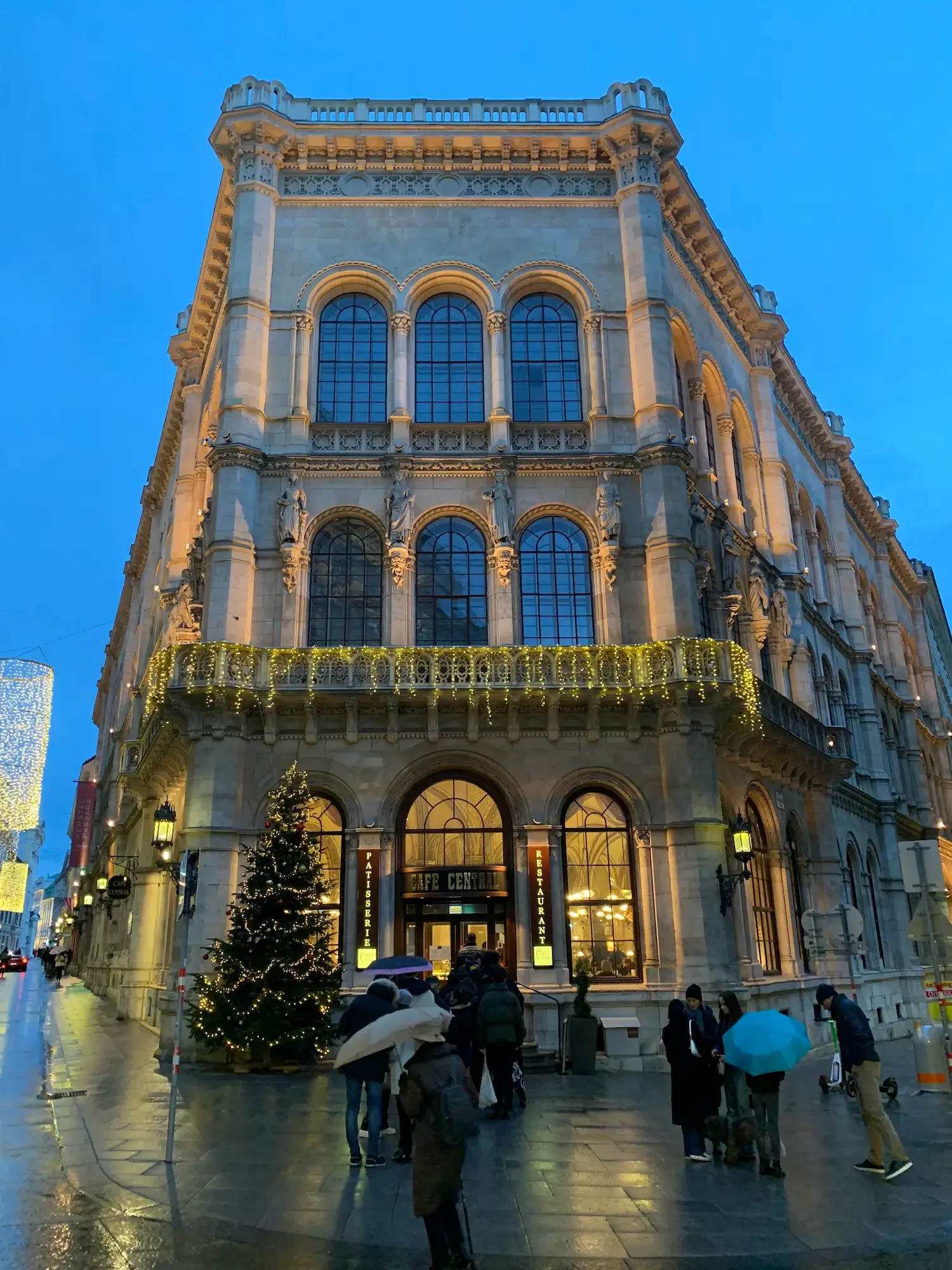
Vienna is a city of grandeur, of artists and musicians — put simply; they know how to put on a really good show. And Christmas in Vienna is no different.
There's a moment at Vienna’s Rathausplatz market that tells you everything you need to know about how the city does Christmas. Every half hour after dusk, a giant red heart lifts off a tall tower and glides on a wire across the square, high above the crowds, travelling toward the illuminated Herzerlbaum (Tree of Hearts). It’s completely over the top, a bit cheesy and exactly the sort of thing only this city can pull off without a hint of embarrassment.
Vienna has several Christmas markets, but I’ll admit this one is my favourite purely based on this ridiculously extravagant show. The market sits in front of Vienna's neo-Gothic city hall, with a giant Christmas tree at its centre (which, quite poetically, is donated by a different Austrian province each year).
Horse-drawn carriages clip-clop around the nearby Ringstraße, a small ice rink runs right alongside the market stalls, and if that wasn't enough, the whole thing is lit like a stage set. It's beautiful, and a little bit romantic.
You can wander through the many beautifully decorated stalls and buy handcrafted decorations and Austrian delicacies like gingerbread. Sadly though, my food of choice at the Viennese markets doesn’t necessarily match the elegant atmosphere; I love the delicious cheese-filled sausages called Käsekrainer (washed down with some Gluhwein of course).
But I'll be honest about why Vienna sits where it does on this list. For me it earns its place less for the markets and more for being one of the best winter city breaks in Europe. The Christmas markets and classily decorated streets just make it even better. This is a city built for cold weather: grand coffee houses where you can eat the prettiest cake you’ve ever seen and nurse a single melange for two hours without being bothered and world-class museums and galleries you can visit when it’s wet and cold outside. And then there’s the music. Vienna gave the world Mozart, Strauss and half the classical canon, and you can still hear it live almost any night, which makes a candlelit concert in one of the old palace halls about the most Viennese thing you can do after dark. Somehow its imperial grandeur just suits winter better than summer, in my opinion.
So head to Vienna for a cosy weekend away, fill your days with great coffee, art and museums and spend your evening rugged up watching hearts fly over your head with a gluhwein in hand.
One practical note in Vienna's favour: while most of Europe's markets shut on Christmas Eve, several of Vienna's stay open in a staggered wind-down. A handful run past Christmas, and the markets at Schönbrunn Palace and by the giant wheel at the Prater carry on to 6 January as New Year markets. So if you're travelling in the dead week between Christmas and New Year, Vienna is one of the few cities with something still going.
8. Budapest: best for a cheap city break
2026 dates: expected mid-November to 1 January 2027 (organisers will confirm in October).
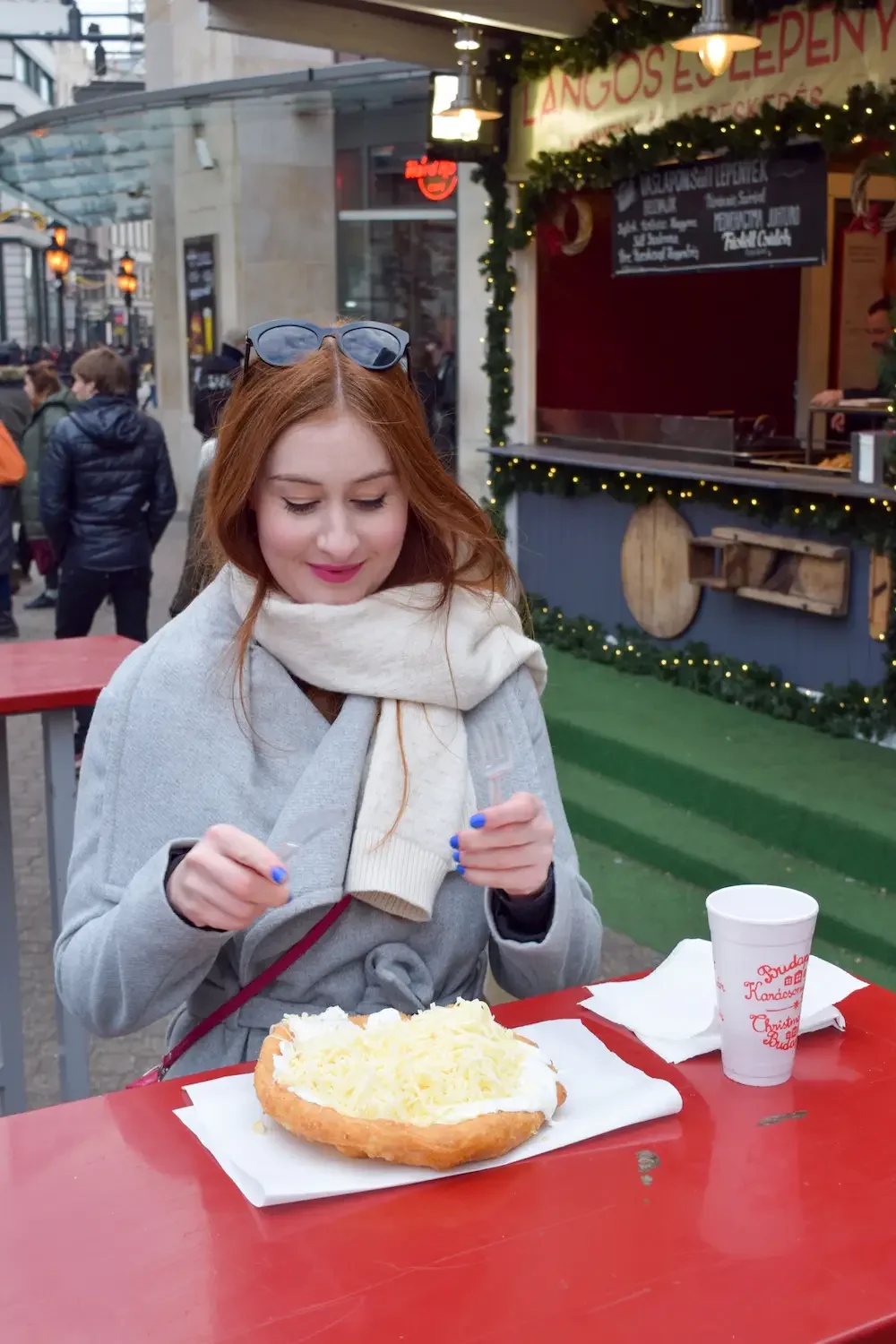
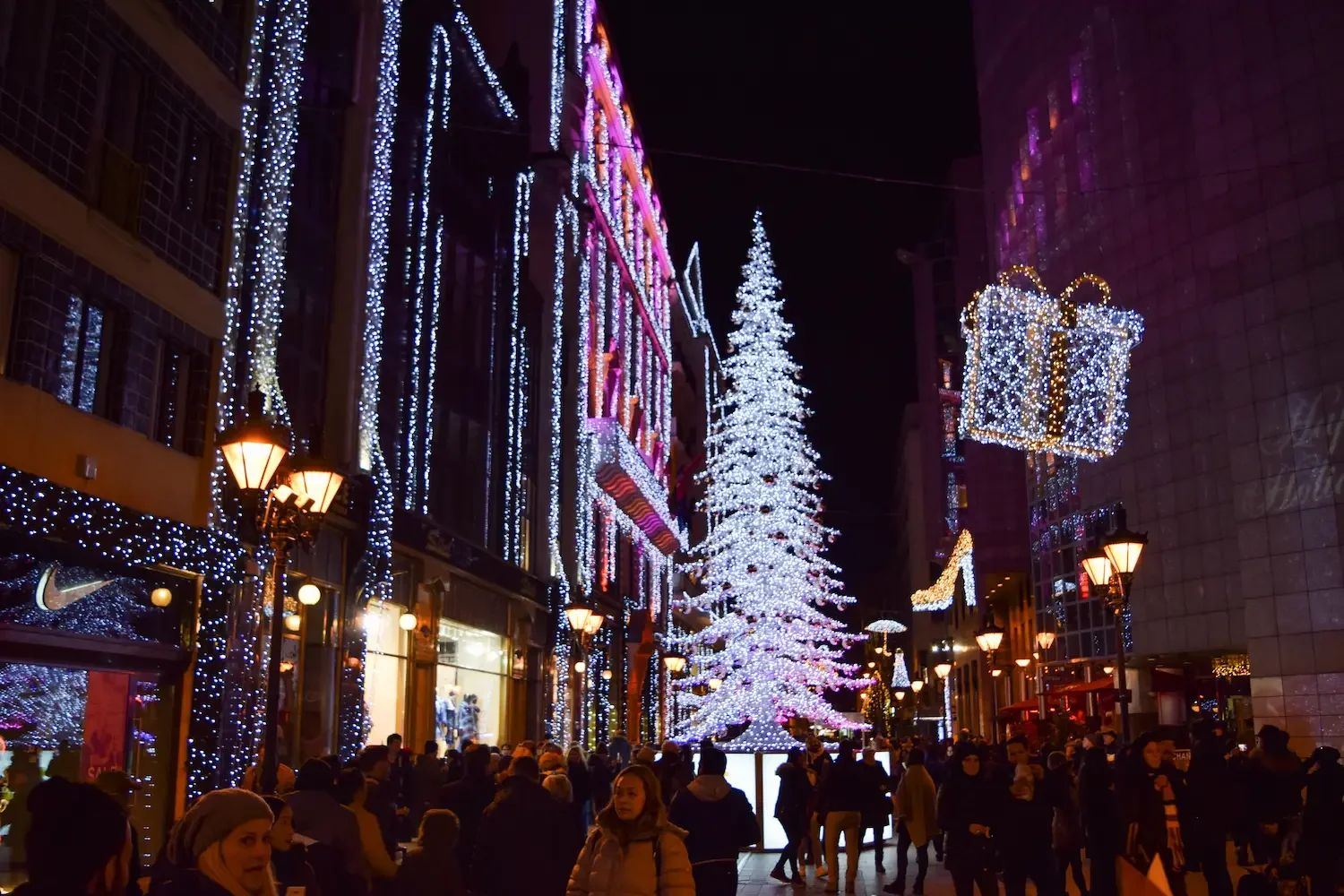
Budapest is easily one of the most photogenic places I've been: there are no bad angles in this city full of unexpected grandeur. Part of what makes it so unique is how it balances opulent 19th-century architecture and tree-lined boulevards with the grit of bars sprung from abandoned buildings and an undertone of post-war communism. It must also have a huge electricity bill, because at night every monument, bridge and building is beautifully lit. And that bill must be even bigger at Christmas, when the city lights up its most beautiful squares with Christmas markets. The whole thing tips over into a fairytale.
Budapest is worth visiting at any time of year, but unlike a lot of European cities you don't need the sun to enjoy it, which makes it a natural in winter. The trams are strung with lights, and the two main markets sit at Vörösmarty tér and in front of St Stephen's Basilica, right under the dome.
Budapest’s Christmas markets were also the place where I first discovered lángos: deep-fried flatbread, traditionally topped with sour cream and grated cheese, and I’ve been obsessed ever since (you can see how happy I look in the photo with one above).
Which brings me to the one real catch. Budapest is the cheapest city on this list by a fair bit, but you wouldn’t know it from the markets. Lángos is Hungarian, and it is far better freshly cooked at the market than anywhere else you’ll get it, but it won’t be cheap. Budget for it, then eat everything else in the city, where the prices are more sensible. My favourite is Trofea, an all-you-can-eat that is exactly the antidote to a market dinner.
Both main markets stay open on Christmas Day and Boxing Day, which very few on this list do, and if you are there on the 24th the Corinthia does a buffet dinner every year with live music — we spent a fantastic Christmas Eve here. It’s not cheap by Budapest standards, but it costs a fraction of the same evening in Vienna or Copenhagen.
A winter trip is also the perfect excuse to spend some time at Budapest’s famous baths (try Széchenyi which is one of the most iconic in the city). And if you want to know where to point your camera, I've written about that separately.
And if you want to give your feet a well-earned break after all that walking, you can see Budapest from the water instead. An evening cruise down the Danube is one of the best ways to see the city lit up at night. You'll pass the Parliament, Buda Castle and the bridges (basically one showstopper after another), with a glass of Hungarian sparkling in hand. Just make sure you rug up: it's worth braving the deck for those views, but you can always head inside to warm up if you need to.
9. Copenhagen: best for a design-led Christmas
2026 dates: Tivoli 14 November to early January 2027 (dates to be confirmed).
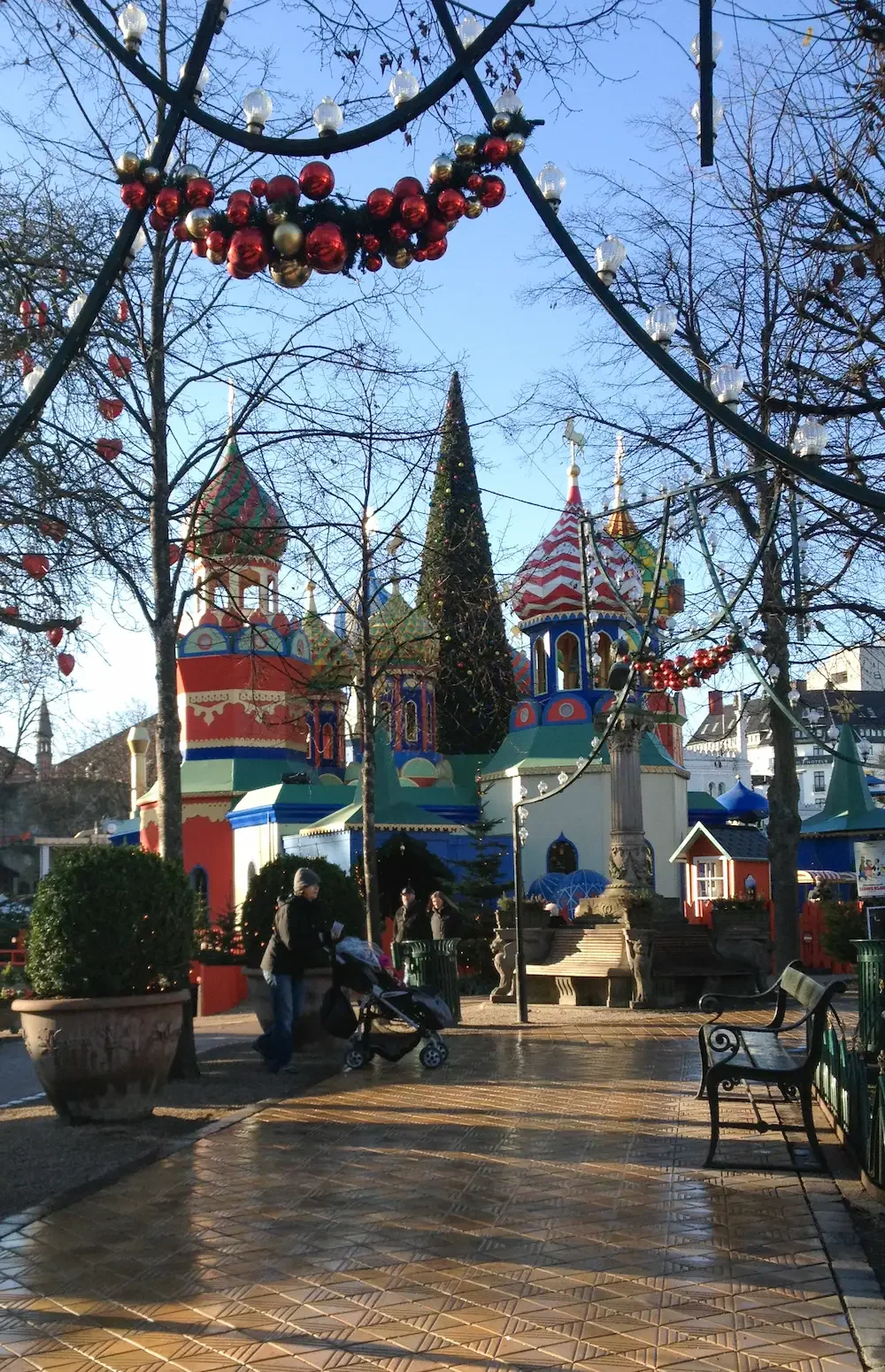
Copenhagen does Christmas the way it does everything else: beautifully, and, this is the unfortunate part, expensively. Since the Danish created the concept of hygge (feeling warm, cosy, content and together), it goes without saying that their Christmas markets embody those feelings.
My favourite thing about Christmas in Copenhagen is visiting Tivoli Gardens. It's the second-oldest amusement park in the world and it's kept its old-world charm. Tivoli is special all year round, but it's extra special at Christmas. They offset the short Danish days and long, dark, cold evenings by going all out with the lighting: the whole park, including 1000 spruce trees, is lit with over a million fairy lights arranged by designers. It becomes a winter wonderland. And the best part is that all the rides are operating as usual, so you can ride one of the oldest rollercoasters in the world before wandering around with a mulled wine.
A Christmas ticket with a ride pass gets you in among the lights and onto the rides in one go. Just do it in that order: the rollercoaster is very safe, but having been on it, I can tell you it's a fair bit bumpier than a newer ride.
One downside of Tivoli is that, unlike a normal Christmas market, you need a ticket to enter, and that's one of the reasons Copenhagen sits ninth on this list rather than higher. The city does have free Christmas markets which are lovely in their own right, but I wouldn't go to Copenhagen at Christmas without visiting Tivoli. It's also worth noting that the main Christmas markets, at Højbro Plads, Kongens Nytorv and along Nyhavn, pack up around the 21st to 23rd of December, so this is not the place to visit on Christmas Day. Tivoli is the exception, running to 3 January.
Beyond the markets, the city is worth the trip on its own terms, and I've written a full three-day Copenhagen itinerary covering castles, canals and the best coffee in the city.
10. Nuremberg: best with children, and the one everyone tells you to go to
2026 dates: 27 November to 24 December. Closes at 2pm on Christmas Eve and does not reopen.
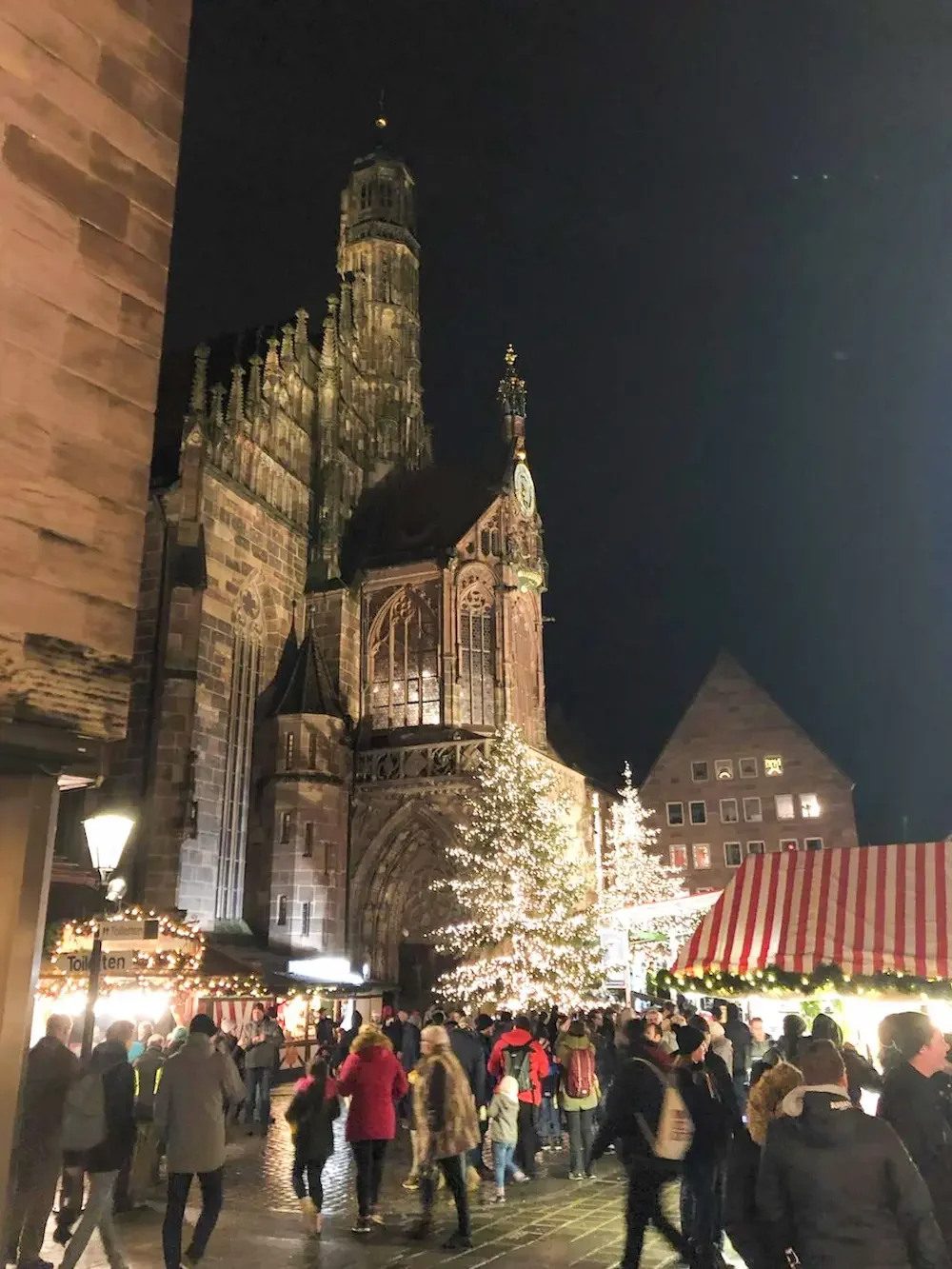
Nuremberg's Christkindlesmarkt is at the top of many Christmas market lists, and when I finally visited, I completely understood the hype. Unlike a lot of big European markets that end up selling identical imported plastic, the stalls here are strictly regulated. Everything on sale is local to Franconia (the northern region of Bavaria famous for its distinct food and crafts), handcrafted, and genuinely stuff you'd want to buy. You'll see stalls packed with proper Elisenlebkuchen, the famous local nut-based gingerbread, alongside hand-carved Räuchermännchen, the little smoking figurines that puff incense from their mouths and make lovely, unusual gifts.
If you're travelling with children, it's probably the best option on this whole list. The dedicated market at Hans-Sachs-Platz is built specifically for them, featuring a two-storey carousel, a mini steam train, and hands-on stalls where kids can actually bake gingerbread or make crafts instead of just trailing behind you while you shop.
That said, here's my honest take on the trip as a whole. If you asked me where to go in Bavaria with limited time, Nuremberg wouldn't be my first choice. I spent a day here at the end of a week visiting some of the loveliest towns in the region: Rothenburg ob der Tauber and Dinkelsbühl on the Romantic Road, alongside Bamberg's UNESCO-listed old town.
What those smaller places have in common is that they survived the war largely intact. Nuremberg didn't. Its old town was heavily bombed and rebuilt in the traditional style afterwards, so while it's been beautifully restored, in my opinion it lacks the authentic medieval atmosphere of the surrounding towns. Coming straight off the back of a week in Rothenburg and Bamberg, that contrast really stood out. To be fair, I only had the day and didn't stay overnight, so take that with a pinch of salt.
This list ranks the overall trip, not just the quality of the stalls. On the stalls alone, Nuremberg easily makes the top three. On the trip as a whole, it sits a bit lower down.
11. Basel and Bern: best for two beautiful cities and markets in one weekend
2026 dates: Basel 26 November to 23 December; Bern: 19 November to 27 December (closed Christmas Day).
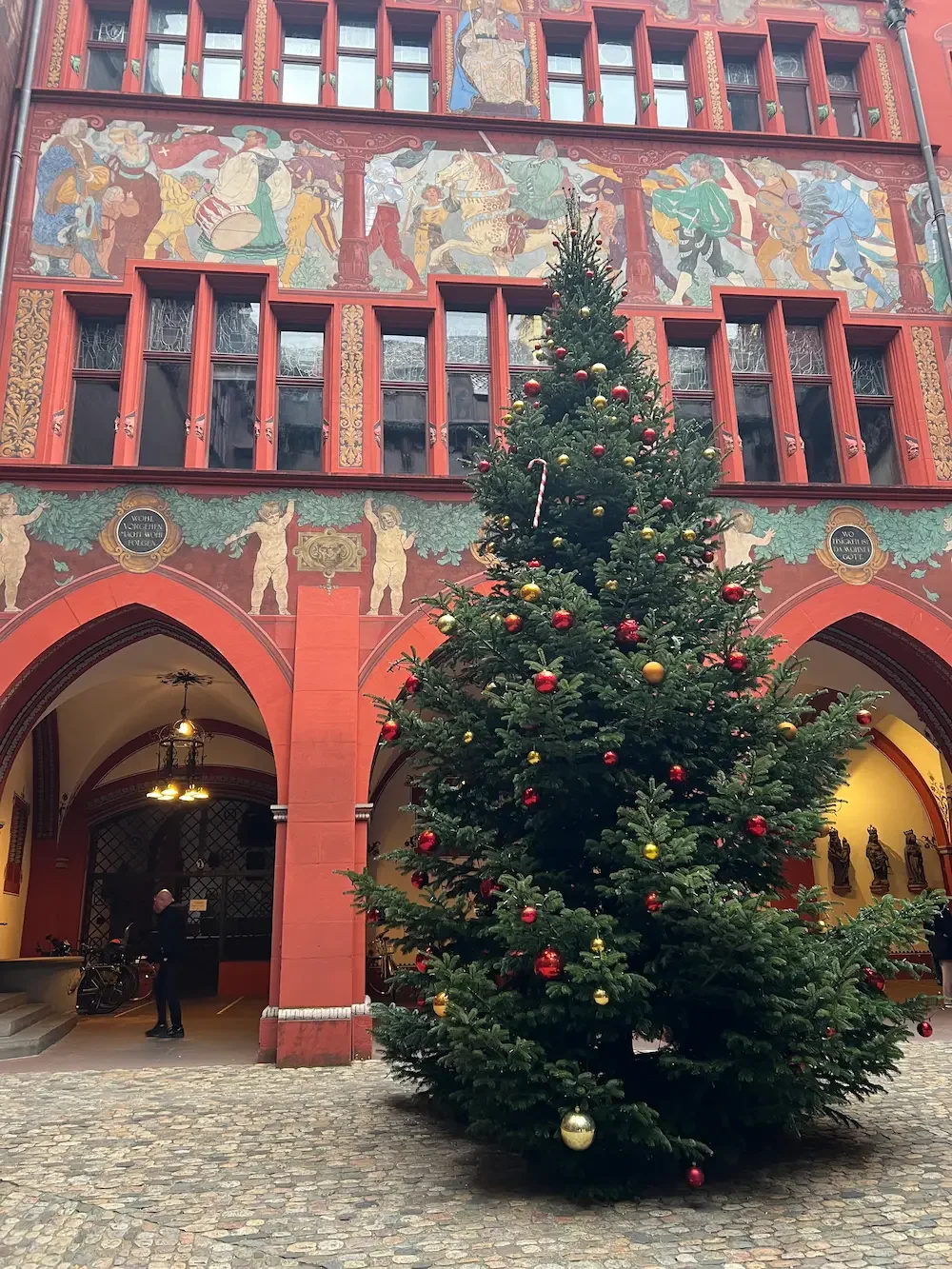
You don't see Switzerland on many Christmas market lists, which is a bit of a mystery to me, because in my opinion pairing Basel and Bern makes for a fabulous festive weekend away. While I wouldn't necessarily recommend visiting either city's market on its own, the magic happens when you combine them over a couple of days. They're two of the prettiest cities in Switzerland, and they're only an hour apart by train.
I'm a little biased, as my sister lives there, but what I did, and what I'd recommend, is starting in Basel for ease, because that's where the airport is. Basel also sits right on the border with France and Germany, which makes it an easy train ride in from either side (you could even combine it with a trip to the Strasbourg and Colmar markets).
Basel is a gorgeous riverfront city and its old town goes all-out for Christmas. The market stalls are spread between two main squares. Barfüsserplatz is the busier of the two, with the towering Christmas pyramid at its centre, but Münsterplatz is the prettier: the combination of the red-sandstone cathedral, the fairy lights strung through the trees, and the crisp winter air coming off the Rhine makes it one of the most romantic settings on the list. It’s worth a wander beyond the two squares, too, and a guided tour of old Basel is an easy way to see the rest of it.
Basel's location shows up in the food, too: you'll find my personal favourite, Alsatian Flammkuchen (a bit like a thin, crisp flatbread pizza), alongside Basler Läckerli (the spiced honey biscuit the city has been baking for centuries). And walking along the Rhine, or crossing it on one of the little motorless ferries that ride the current across, gives you a different view of the place entirely.
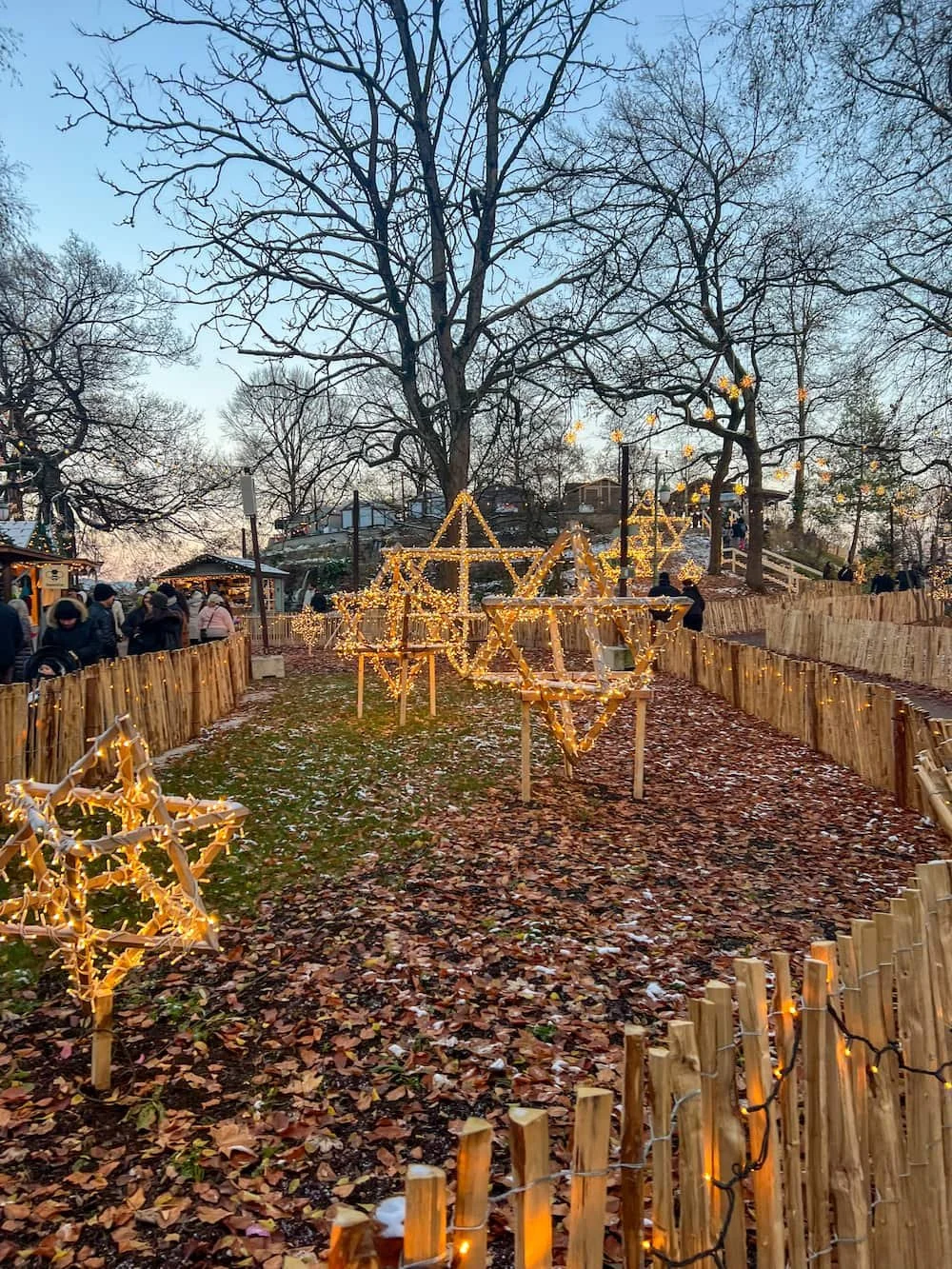
The train from Basel to Bern takes under an hour. We went to the Sternenmarkt, the star market, up on the Kleine Schanze by the Bundeshaus, and its raised setting gives it a different feel from the usual market squeezed into a shopping square. I had delicious raclette (it’s Switzerland after all) and mulled wine while warming myself at one of their open fires. We carried on into the old town to the Zytglogge, the astronomical clock tower at its heart, with Bern's covered arcades running along the streets on either side.
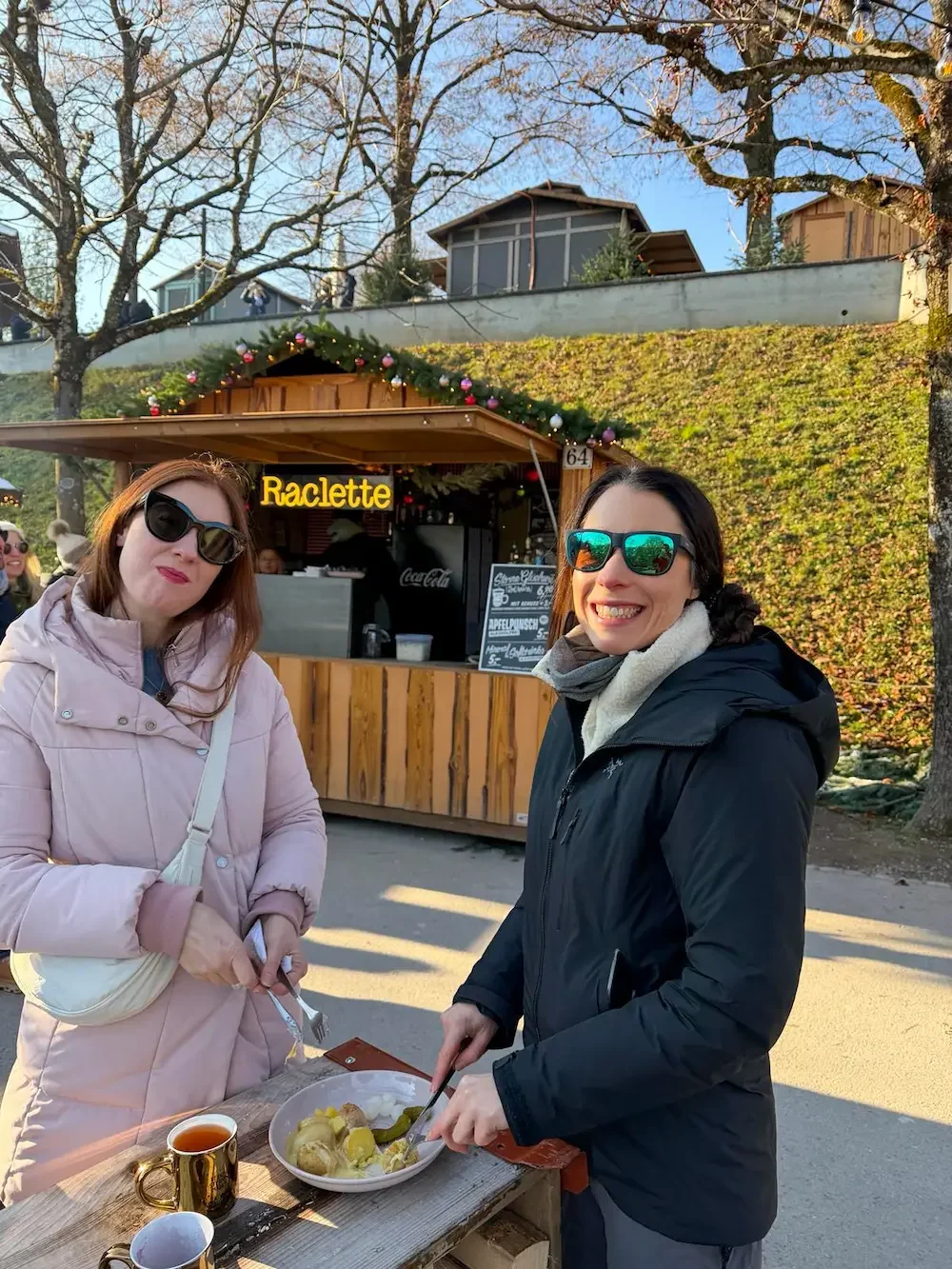
The honest trade-off is the one everyone already knows about Switzerland: it's expensive. Go in expecting it and it won't spoil anything. That said, if you book accommodation a few months in advance in Basel, it's not exorbitant, and the food and drinks at the Christmas markets weren't crazy expensive. In my experience, it's more if you go to a restaurant at dinner where you might start to raise your eyebrows at the prices. Both old towns and the markets themselves are free to wander, so with a bit of effort you can keep costs down on this double-city trip.
12. Munich: best for pairing with Salzburg
2026 dates: 20 November to 24 December (closed 22 November). Closes at 2pm on Christmas Eve and doesn't reopen.
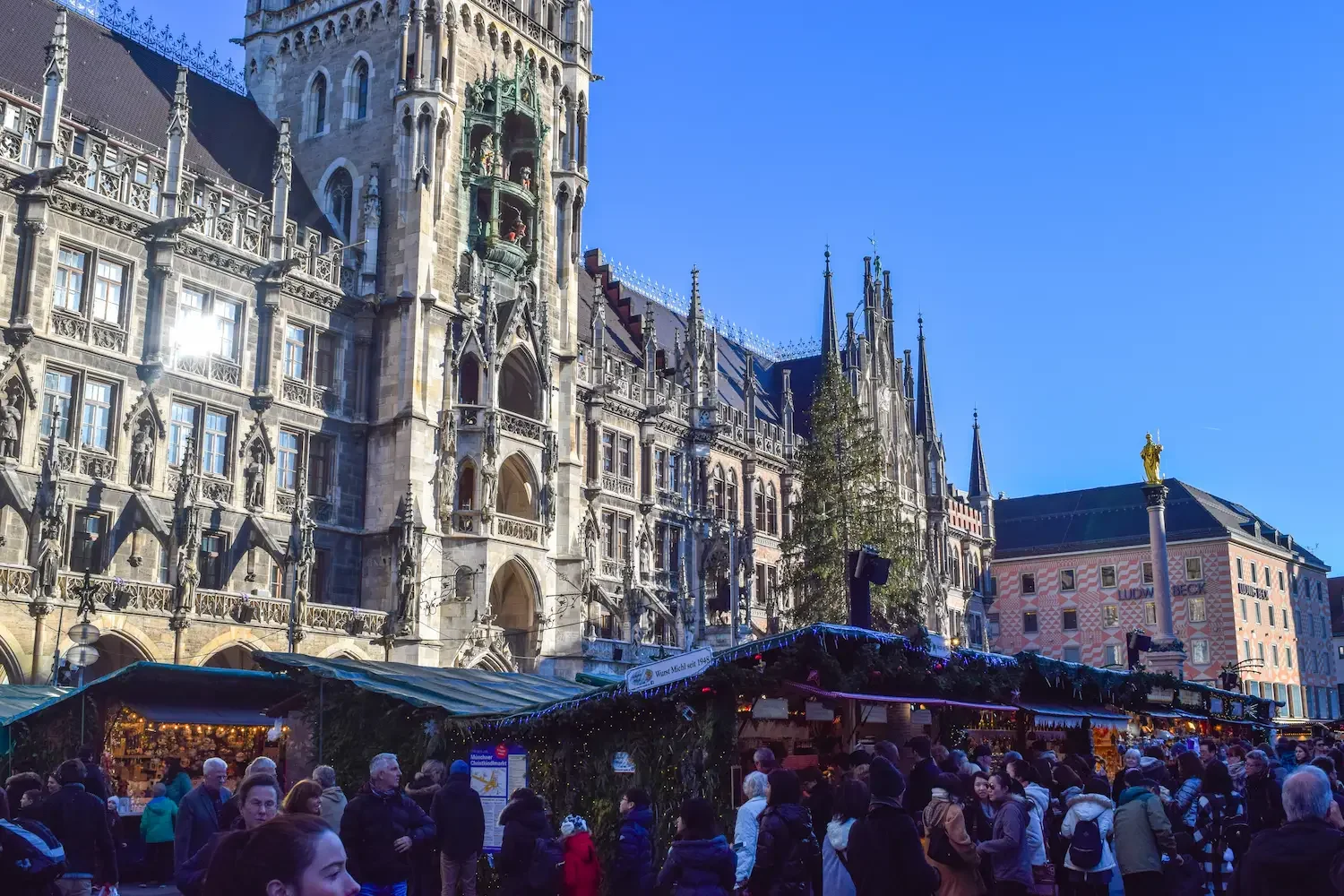
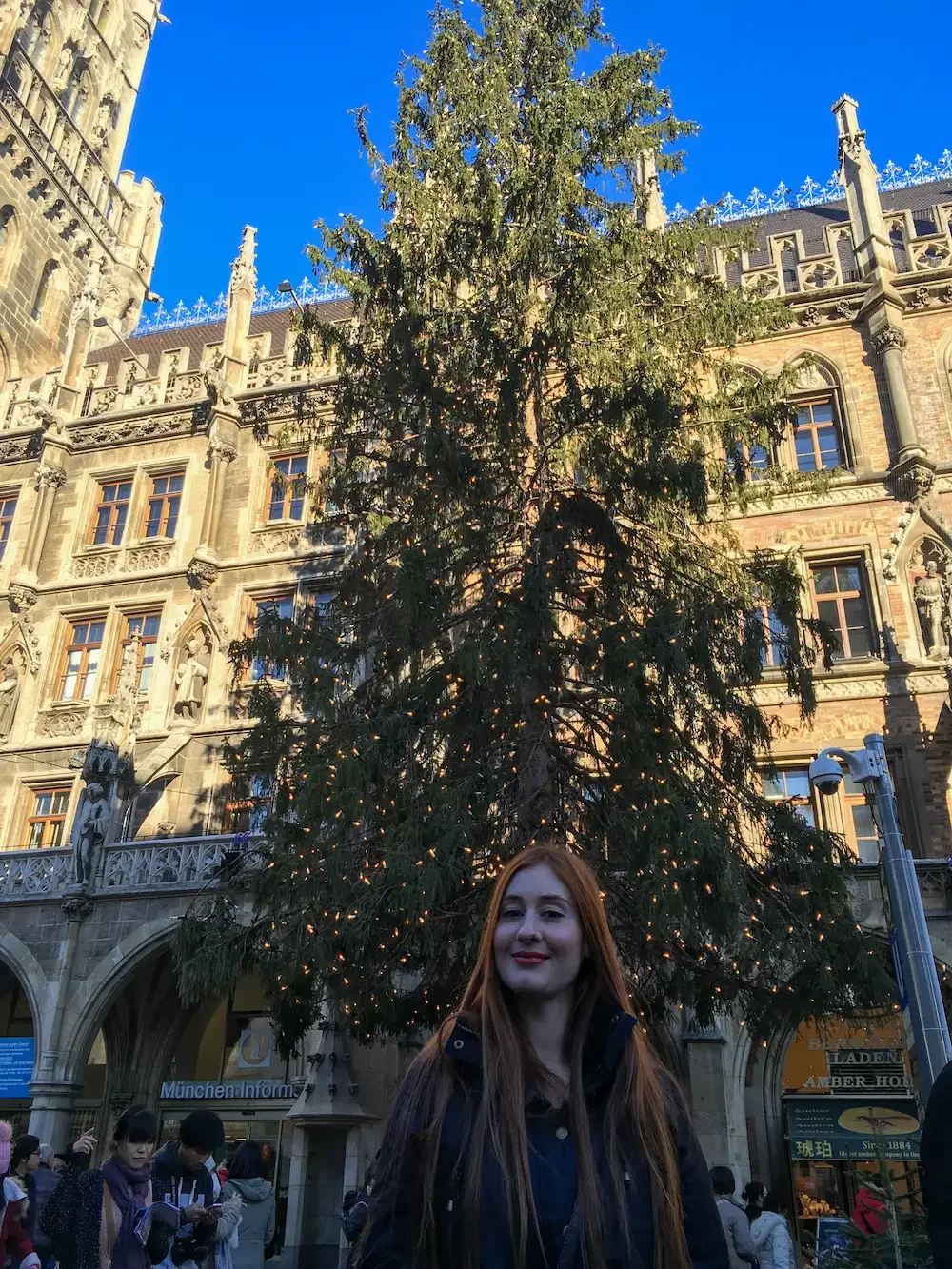
To me, Munich is the exact Germany I pictured long before visiting — a city that feels like stepping straight into a classic storybook. The main Christmas market sits in the city’s Marienplatz square, which is dominated by the extravagant, neo-Gothic Neues Rathaus. Everything about the city leans fully into its Bavarian character: delightfully kitsch, cosy, and gloriously traditional. If you time your visit for 11 a.m. or noon, you'll catch the Rathaus-Glockenspiel, where 32 life-sized figures re-enact a 16th-century ducal wedding to the chime of 43 bells. Afterwards, you can lose an hour wandering the stalls with a warm Glühwein in hand.
The food is a highlight in its own right. The Kaiserschmarrn is worth queuing for (the shredded, caramelised pancake that's the perfect food on a cold day), as is the Lebkuchen, Germany's famous soft spiced gingerbread, sold from some of the prettiest stalls at the market. It's also the place to pick up gifts: the stalls are full of little hand-carved Bavarian wooden figurines that make lovely presents. And when you've had your fill of the cold, the Hofbräuhaus, Munich's most famous beer hall, is right around the corner for a stein and something hearty.
So why is Munich last on the list? Not because of the market, which I loved, but because of what this whole list is about: the city around it. Munich is perfectly pleasant, but it doesn't hold you (or I guess I should say me!) the way Salzburg, Prague or Vienna do. It's a place I'd happily visit for the market and the beer halls, but I wouldn't tell you to rush there for a weekend the way I would the cities higher up. Where it does earn its keep is as a base: Munich is also the natural launch pad for the rest of Bavaria — including the fairytale castles at Neuschwanstein and Linderhof, an easy full-day trip from the city. Plus, as it’s only two hours away from Salzburg you can easily combine the two like we’ve done a few times.
One thing to plan around: like the other big German markets, Munich closes at 2pm on Christmas Eve and doesn't reopen, so it's strictly a pre-Christmas trip.
Before you go: Christmas market essentials
After visiting lots of Christmas markets over the years, these are the practical tips I wish someone had told me before my first trip.
Timing is everything: Go early in the season and aim for weekdays. Peak weekend crowds mean shuffling shoulder-to-shoulder. Also, check closing dates: traditional German markets close on Christmas Eve, while markets in Austria, Switzerland, and Central Europe often run into the new year.
Carry cash and coins: Many stalls still don't accept cards for small purchases. Keep small notes and coins handy to avoid hunting for ATMs.
Master the mug deposit (Pfand): Your first Glühwein includes a mug deposit (usually a few euros). Return the mug to get your cash back, or keep it as a souvenir. You don't pay the deposit on refills if you reuse the same mug, but you must return it to the same specific market where you bought it.
Set realistic expectations: The photos show a snow-dusted fairytale; the reality is often damp, grey, and crowded. Embrace the chilly air, drink the mulled wine, and you’ll have a brilliant time regardless.